



Household pests are often silent invaders, quietly compromising hygiene, property, and comfort without immediate detection. From insects and rodents to other unwelcome critters, these intruders can spread disease, damage belongings, and create persistent stress for homeowners. Understanding how to identify, prevent, and eliminate common household pests is essential for maintaining a safe pest control pittsburgh and comfortable living environment.
Table of Contents
ToggleCommon Household Pests
1. Insects
-
Ants: Attracted to food and moisture, ants can invade kitchens and pantries. Some species, like carpenter ants, can even damage wood structures.
-
Cockroaches: These nocturnal pests thrive in dark, damp areas. They are known carriers of bacteria and can trigger allergies or asthma.
-
Termites: Wood-destroying insects that silently compromise the structural integrity of homes. Signs include hollow-sounding wood, mud tubes, and discarded wings.
-
Bedbugs: Tiny, blood-feeding insects that hide in mattresses, furniture, and cracks. Infestations cause discomfort and potential allergic reactions.
-
Flies and Mosquitoes: Both are nuisances and vectors for disease. Stagnant water and uncovered food attract them.
2. Rodents
-
Mice and Rats: These mammals chew wires, contaminate food, and reproduce rapidly. Signs of infestation include droppings, gnaw marks, and scratching sounds in walls.
3. Other Pests
-
Spiders: Mostly harmless, but some species can be venomous.
-
Wasps and Bees: Aggressive stings pose risks, especially to allergic individuals.
-
Silverfish and Earwigs: Common in damp areas, they feed on paper, fabrics, and organic debris.
Early Identification
Detecting pests early is key to effective control. Common indicators include:
-
Droppings, shed skins, or wings
-
Gnaw marks or chewed wires
-
Strange odors or sounds
-
Damaged wood, fabrics, or stored food
-
Visible nests or colonies
Regular home inspections, especially in kitchens, basements, attics, and outdoor entry points, help homeowners catch infestations before they escalate.
Prevention Strategies
Preventing pests is often more effective than eradication. Key measures include:
-
Maintain Cleanliness: Keep kitchens, dining areas, and garbage bins clean. Sweep floors and wipe surfaces regularly.
-
Seal Entry Points: Check for cracks, gaps, and holes in walls, doors, and windows; seal them to prevent intrusions.
-
Proper Food Storage: Store dry goods in airtight containers and refrigerate perishables.
-
Control Moisture: Fix leaks, use dehumidifiers, and ventilate damp areas to discourage insects and rodents.
-
Outdoor Maintenance: Trim bushes and trees away from the house and remove standing water to limit breeding grounds.
Eradication Methods
Once pests are detected, effective control measures include:
1. Non-Chemical Approaches
-
Traps: Snap traps, sticky traps, or humane catch-and-release devices for rodents and insects.
-
Physical Barriers: Mesh screens, door sweeps, and sealing cracks.
-
Natural Deterrents: Essential oils, diatomaceous earth, and vinegar sprays can repel pests.
2. Chemical Treatments
-
Insecticides and Rodenticides: Targeted products for ants, cockroaches, bedbugs, and rodents.
-
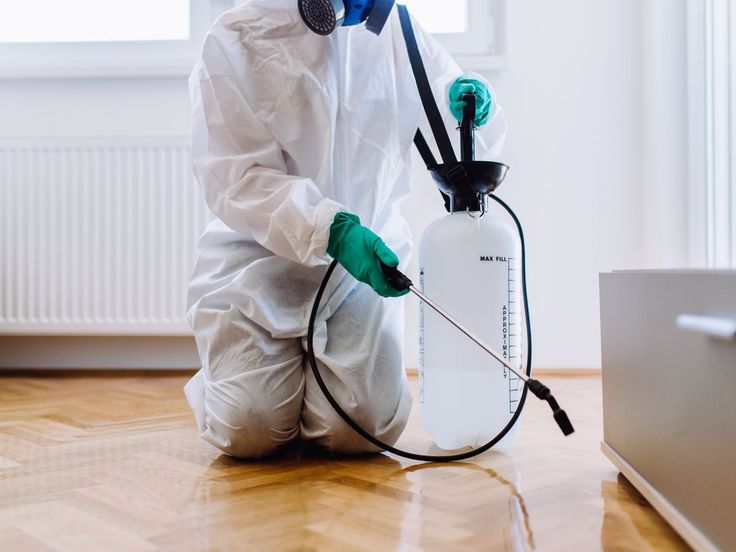
Fumigation or Professional Sprays: For severe infestations, licensed pest control services may be required.
3. Professional Pest Control
-
Hiring experts ensures safe, effective, and long-lasting solutions, especially for termites, bedbugs, or large rodent infestations.
Integrated Pest Management (IPM)
Modern pest control favors Integrated Pest Management, which combines:
-
Prevention: Regular cleaning and home maintenance
-
Monitoring: Detecting early signs of pests
-
Mechanical Controls: Traps, barriers, and removal
-
Biological Controls: Using natural predators when appropriate
-
Chemical Measures: Applied minimally and strategically
Conclusion
Household pests are silent but persistent invaders that can compromise both health and property. By understanding common pests, recognizing early warning signs, and implementing preventive and eradication strategies, homeowners can effectively protect their living spaces. Combining vigilance, eco-friendly solutions, and professional assistance when necessary ensures a safe, comfortable, and pest-free home.
