



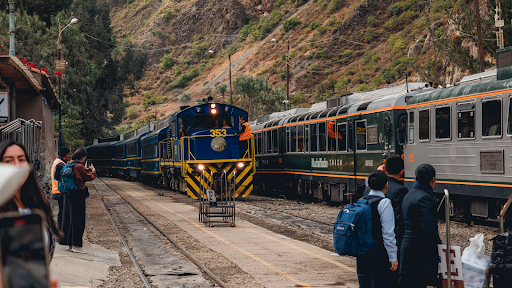
Machu Picchu travel by train represents the most popular and practical method for reaching Peru’s iconic archaeological wonder, combining accessibility with comfort and spectacular scenery. For the millions of visitors who journey to this UNESCO World Heritage Site annually, the train provides an efficient, reliable, and memorable way to traverse the challenging Andean terrain separating Cusco from the ancient citadel. Understanding how to plan and execute your train travel ensures a seamless experience that enhances rather than complicates your Peruvian adventure.
Why Train Travel Dominates Machu Picchu Access
Several factors explain why Machu Picchu travel by train has become the overwhelmingly preferred access method for most visitors. The geographical challenges of reaching Machu Picchu make alternative transportation options limited and often impractical. The citadel sits on a mountain ridge accessible only by foot or through the single road connecting Aguas Calientes to the ruins. This road cannot accommodate private vehicles from Cusco, effectively eliminating the possibility of driving directly to Machu Picchu.
While multi-day trekking routes like the famous Inca Trail exist, these options require excellent fitness, significant time commitment, advance permits that sell out months ahead, and tolerance for camping in challenging conditions. For travelers with limited vacation time, physical limitations, or preferences for comfortable accommodations, these trekking alternatives prove impractical regardless of their undeniable appeal for adventure-oriented visitors.
Train travel solves these challenges elegantly. Machu Picchu travel by train requires no special fitness level beyond normal walking ability, accommodates tight schedules through efficient same-day itineraries, provides comfort during journeys, and delivers spectacular scenery comparable to what trekkers witness over multiple days. This combination of accessibility, efficiency, and experience quality explains why over 90 percent of Machu Picchu visitors choose train travel.
Understanding Your Travel Options
When planning Machu Picchu travel by train, understanding the available routes, operators, and service classes helps optimize your experience. The primary route operates between Ollantaytambo and Aguas Calientes, covering approximately 40 kilometers through the Urubamba canyon over roughly 90 minutes. This year-round service provides the most consistent availability and frequent departures, making it the default choice for most travelers.
Alternative routes from Poroy station near Cusco operate seasonally, primarily during dry months from April through December. These departures offer convenience for travelers based in central Cusco, eliminating the need for transfers to Ollantaytambo. However, reduced frequency and seasonal limitations make Poroy services less reliable for guaranteed travel dates.
Service class selection significantly impacts both experience quality and cost. Budget-conscious travelers typically choose expedition or standard classes that provide comfortable seating, panoramic windows, and basic refreshments at accessible prices. These services deliver everything essential for enjoyable Machu Picchu travel by train without premium amenities that substantially increase costs.
Mid-range services featuring enhanced panoramic windows, superior refreshments, cultural programming, and upgraded comfort attract travelers seeking notable improvements without luxury pricing. These options often represent optimal value propositions, delivering significantly enhanced experiences for moderate additional investment compared to standard classes.
Luxury services transform Machu Picchu travel by train into destination experiences themselves, featuring gourmet dining, premium beverages, live entertainment, and comprehensive VIP treatment. While expensive, these exclusive services create memories extending far beyond simple transportation for travelers celebrating special occasions or those who simply prefer traveling in ultimate comfort.
Planning Your Train Travel Timeline
Successful Machu Picchu travel by train requires careful timeline planning that coordinates multiple moving parts. Most travelers begin by selecting their Cusco arrival date, then determine when they want to visit Machu Picchu relative to that arrival. Conventional wisdom recommends spending at least two full days in Cusco before attempting Machu Picchu to allow proper altitude acclimatization, though some visitors with previous high-altitude experience proceed more quickly.
After establishing your Machu Picchu visit date, securing entrance tickets becomes the next priority since these limited-availability tickets often sell out before train tickets for the same date. Current regulations assign specific entry time windows, typically ranging from 6:00 AM to 2:00 PM in one-hour increments. Your entrance time determines appropriate train departure times that ensure arrival before your assigned window.
With entrance tickets secured and assigned times known, purchasing train tickets becomes straightforward. Select departures arriving in Aguas Calientes at least 90 minutes before your entrance time, allowing for the bus ride from Aguas Calientes to Machu Picchu entrance and any unexpected delays. Most Machu Picchu travel by train itineraries feature morning departures between 6:00 and 8:00 AM, though later options accommodate travelers with afternoon entrance slots.
Return train timing depends on how long you plan to explore Machu Picchu. Most visitors spend four to six hours at the site, including guided tours and independent exploration. Calculate your approximate departure time from the ruins, add 30 minutes for bus descent to Aguas Calientes, and select return trains departing at least one hour after your anticipated arrival in town to provide comfortable buffer time.
Coordinating Accommodations and Transfers
Efficient Machu Picchu travel by train requires coordinating accommodations and ground transfers between various points. Most travelers base themselves in Cusco, which offers the widest selection of hotels, restaurants, and services at various price points. Cusco also serves as the natural hub for exploring other Sacred Valley attractions before or after visiting Machu Picchu.
Transportation from Cusco to Ollantaytambo station requires approximately 90 minutes, typically departing hotels between 4:00 and 5:00 AM for morning trains. Many tour packages include these transfers, though independent travelers can hire taxis, arrange private transportation, or book shared shuttle services. Confirming pickup times and meeting locations prevents early morning confusion when you’re rushed and potentially disoriented.
Some travelers choose alternative accommodation strategies for Machu Picchu travel by train. Staying in Ollantaytambo the night before eliminates early morning Cusco departures, allowing more restful mornings before train travel. This charming town offers good hotels and restaurants while providing opportunities to explore its impressive Incan ruins during the afternoon or evening before your Machu Picchu visit.
Overnight stays in Aguas Calientes represent another approach, allowing for sunrise visits to Machu Picchu when crowds are minimal and atmospheric conditions often spectacular. This strategy requires train travel the afternoon before your visit, hotel accommodation in Aguas Calientes, and return train travel after exploring the ruins. While more expensive due to additional lodging costs, this approach delivers enhanced experiences for travelers prioritizing optimal Machu Picchu conditions over budget efficiency.
Packing for Train Travel
Proper packing enhances comfort during Machu Picchu travel by train while ensuring you have everything needed for the full day. Luggage restrictions on trains limit passengers to small carry-on bags that fit in overhead racks or under seats. Larger suitcases must remain in Cusco or Ollantaytambo storage facilities, requiring strategic packing of just essentials for your day trip or overnight stay.
Essential items for train travel and Machu Picchu exploration include comfortable walking shoes with good traction for navigating uneven stone pathways, layered clothing adaptable to changing temperatures, sun protection including hats and high-SPF sunscreen, rain gear for unexpected showers, refillable water bottles for hydration, and cameras with sufficient batteries and memory cards. Bringing modest snacks supplements onboard refreshments and provides energy during extended exploration.
Documents require careful attention during Machu Picchu travel by train. Passport is mandatory as it must match train ticket names and serves as identification for Machu Picchu entrance. Print or digital copies of all tickets—train, bus, and entrance—ensure smooth access at each checkpoint. Bringing small amounts of cash in Peruvian soles covers incidental purchases, tips, and any services not included in tour packages.
Health and Safety Considerations
Altitude represents the primary health concern for Machu Picchu travel by train since Cusco sits at 11,150 feet elevation. Common symptoms including headaches, nausea, fatigue, and shortness of breath affect many visitors during initial days. Fortunately, Machu Picchu itself is located at 7,970 feet, with Aguas Calientes even lower, meaning the train journey involves descent that generally improves rather than worsens altitude symptoms.
Preventive measures help minimize altitude issues. Adequate hydration before and during travel, avoiding alcohol and heavy meals before departure, and drinking coca tea—a traditional Andean remedy—all support acclimatization. Some travelers take altitude sickness medication prescribed by physicians, though this should be discussed with healthcare providers before travel. Most people who spend at least two full days in Cusco before attempting Machu Picchu travel by train experience minimal altitude problems.
Sun exposure at high altitude proves more intense than at sea level due to thinner atmosphere providing less filtering of ultraviolet radiation. Applying sunscreen generously and reapplying throughout the day prevents painful burns that could spoil your trip. Hats and sunglasses provide additional protection while making outdoor time more comfortable.
Train travel itself presents minimal safety concerns as operators maintain rigorous safety standards and modern equipment. However, keeping personal belongings secure and remaining aware of surroundings prevents opportunistic theft that occasionally occurs in tourist-heavy areas. Using bags that close securely and keeping valuables like passports, money, and electronics in inner pockets or secure compartments provides reasonable protection.
Enhancing Your Travel Experience
Simple strategies significantly enhance Machu Picchu travel by train beyond basic planning. Window seat selection affects your viewing experience, though both sides of the train offer excellent scenery as notable features alternate between left and right throughout the journey. Arriving at stations early allows seat selection before coaches fill completely, giving you better positioning options.
Engaging with onboard staff and fellow passengers often enriches travel experiences. Staff members typically welcome questions about landmarks, local culture, and travel tips, sharing knowledge that enhances your understanding. Fellow travelers frequently offer interesting conversations, with shared excitement about Machu Picchu creating natural connections among strangers from diverse backgrounds.
Photography during Machu Picchu travel by train requires balancing documentation with presence. While capturing scenery preserves memories, spending entire journeys behind cameras prevents direct experience of landscapes and moments. Consider designated photography periods alternating with camera-free observation that allows unmediated engagement with your surroundings.
Learning basic Spanish phrases enhances interactions throughout your journey. While most tourist-facing staff speak English, making efforts to communicate in Spanish demonstrates respect for local culture and often results in warmer, more helpful interactions. Simple phrases expressing gratitude, asking basic questions, and exchanging pleasantries open doors to richer cultural exchanges.
Budget Management and Cost Optimization
Machu Picchu travel by train represents a significant expense within Peru trip budgets, making cost management important for many travelers. Train tickets alone range from approximately $120 to $180 round-trip for standard services, with mid-range options costing $160 to $240 and luxury services exceeding $800. When adding entrance fees, guide services, meals, and transfers, total costs easily reach $250 to $400 per person for complete day trips.
Several strategies help optimize spending without compromising experience quality. Booking tickets well in advance often secures lower prices before demand-driven increases occur. Traveling during shoulder or wet seasons provides both better availability and sometimes reduced pricing compared to peak months. Choosing morning trains on weekdays rather than weekends or prime departure times occasionally offers modest savings.
Bundled tour packages sometimes deliver better overall value than booking components separately, particularly when including guide services, meals, and comprehensive transfers. However, carefully comparing package contents against independent booking costs ensures you’re actually saving rather than paying convenience premiums that don’t justify their costs.
Conclusion
Machu Picchu travel by train has evolved into a refined system that efficiently moves hundreds of thousands of visitors annually to this remarkable archaeological site while providing memorable journeys through spectacular Andean landscapes. The combination of accessibility, comfort, reliability, and scenic beauty makes train travel the logical choice for most visitors regardless of budget level or travel style. By understanding available options, planning timelines carefully, coordinating logistics effectively, and preparing properly for the journey, travelers ensure their train travel enhances rather than complicates their Machu Picchu experience.
The key to successful Machu Picchu travel by train lies in treating it as an integral part of your adventure rather than mere logistics connecting point A to point B. When approached with proper planning, realistic expectations, and openness to the journey itself, train travel delivers experiences that complement and enhance your time at the ancient citadel, creating complete memories of Peruvian adventure that extend from the moment you board your train until you return satisfied to Cusco, having witnessed one of humanity’s greatest achievements.
