



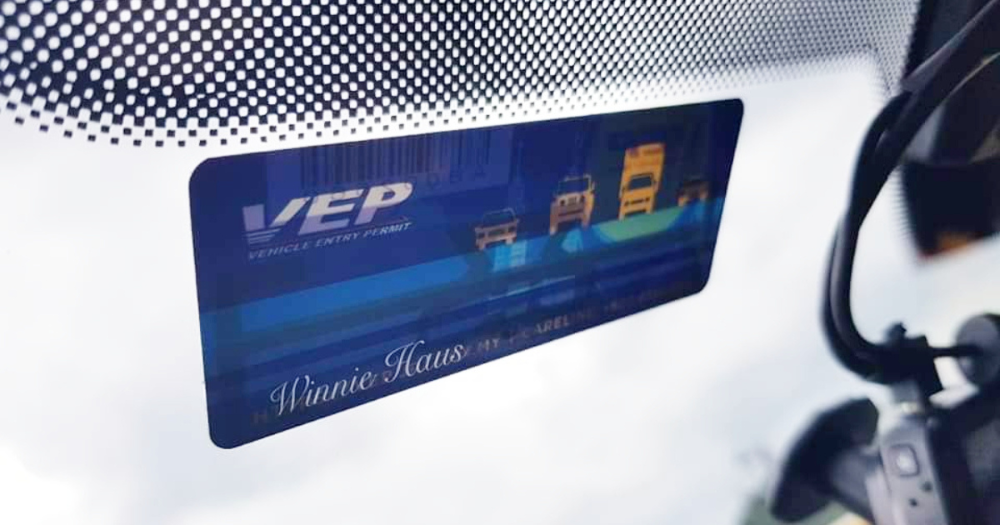
In today’s interconnected world, traveling with vehicles across international borders has become increasingly common for both business and leisure. Many Asian countries have established Vehicle Entry Permit (VEP) application systems to regulate foreign vehicles entering their territories. These permits help authorities monitor traffic, enforce environmental regulations, and ensure road safety. While the concept of a VEP is similar across countries, the processes, fees, and regulations can vary widely. This article offers a comparative study of vehicle entry permits across Asia, highlighting key differences and similarities.
Understanding the VEP System
A Vehicle Entry Permit (VEP) application is a mandatory procedure for foreign vehicles entering certain countries. The process typically involves providing vehicle registration documents, proof of insurance, and personal identification. Some nations also require payment of road tolls or environmental taxes upfront. VEP systems are designed to prevent unauthorized vehicles from entering, reduce traffic congestion, and, in some cases, limit pollution by restricting older or high-emission vehicles.
Singapore: Efficiency Meets Technology
Singapore is often cited as a model for streamlined VEP administration. Foreign vehicles must complete a VEP application online before entering the country. Fees are based on vehicle type and duration of stay, and the system integrates with Singapore’s Electronic Road Pricing (ERP) network. One unique feature is that the VEP system is linked to automatic license plate recognition, allowing authorities to track vehicles in real-time and reduce manual checks.
Malaysia: Cross-Border Collaboration
Malaysia requires foreign vehicles, particularly from neighboring ASEAN countries, to apply for a VEP to enter major urban areas. The VEP application can be completed online or at designated checkpoints. Malaysia emphasizes cross-border collaboration; for example, vehicles entering from Singapore must be registered in the Malaysian VEP system, which simplifies customs procedures and reduces waiting times at the Causeway.
China: Regional Variation and Environmental Focus
China has a more complex VEP framework due to its size and regional regulations. Cities like Beijing and Shanghai require foreign vehicles to have a local VEP application before entering low-emission zones. The system is also used to enforce temporary restrictions during peak pollution periods or major events. Foreign drivers must provide detailed vehicle information, and in some cases, proof of emissions compliance is mandatory, reflecting China’s strong environmental emphasis.
Thailand: Balancing Tourism and Traffic Control
Thailand’s VEP system is designed to balance tourism benefits with traffic management. Foreign vehicles entering via land borders must complete a VEP application, typically available online or at border offices. Fees vary depending on the vehicle type, and tourist vehicles often receive short-term permits. Thailand also uses the VEP system to monitor vehicle entry during festivals or peak tourist seasons, helping reduce congestion in popular areas.
Indonesia: A Focus on Urban Centers
In Indonesia, the VEP system is largely applied to foreign vehicles entering major urban centers such as Jakarta. The VEP application requires vehicle registration documents, proof of insurance, and payment of city-specific fees. Indonesia’s approach reflects a targeted strategy, focusing on controlling traffic and emissions in highly congested areas rather than nationwide enforcement.
Comparative Insights
While each country has its unique approach, several trends emerge:
-
Digital Integration: Many countries, such as Singapore and Malaysia, are moving toward fully online VEP application systems to streamline entry procedures.
-
Environmental Considerations: Nations like China and Indonesia link vehicle permits to emission standards or pollution control measures.
-
Short-Term vs. Long-Term Permits: Tourism-heavy countries tend to issue short-term permits, while trade-focused regions allow longer durations.
-
Fee Structures: Fees vary widely, often based on vehicle size, duration of stay, and environmental impact.
These differences underscore the importance for travelers to research VEP requirements before entering any Asian country with a foreign vehicle.
Conclusion
Navigating vehicle entry across Asia requires careful planning and an understanding of the VEP application process in each country. While Singapore, Malaysia, China, Thailand, and Indonesia each have distinct regulations, all aim to balance road safety, environmental protection, and efficient traffic management. For international travelers and businesses operating across borders, staying informed about VEP systems is essential to avoid fines, delays, or legal complications. By understanding the nuances of each country’s approach, drivers can ensure smoother cross-border journeys and a better overall experience on Asia’s roads.
