



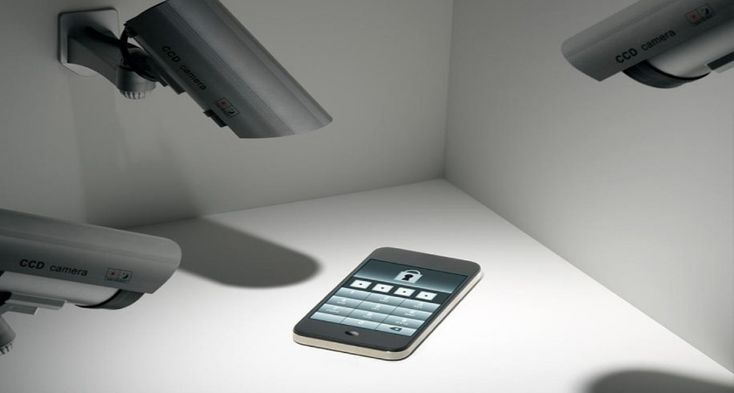
Remote management of Android devices has become an essential capability for parents, IT teams, educators, and businesses. From troubleshooting a phone to assisting a user during a video call, controlling camera and microphone functions from a desktop can be useful—but only when done transparently and with consent. This article explains best hidden spy apps for android , what’s possible, what’s not, and how legitimate remote management works in practice.
Understanding What “Remote Control” Really Means
Contrary to common myths, Android does not allow unrestricted, silent control of a device’s camera or microphone from a desktop. Any legitimate access requires explicit permissions, visible indicators, and user awareness. In real-world scenarios, “remote control” usually means one of the following:
-
Remotely initiating or assisting with camera and mic use during a session
-
Viewing the screen while the user enables camera or mic access
-
Managing settings, policies, or apps that govern how the camera and mic can be used
Android’s security model is designed to prevent covert surveillance.
Legitimate Use Cases for Desktop-Based Control
There are several lawful and ethical scenarios where remote camera and microphone management makes sense:
-
IT Support: Helping an employee configure camera or mic permissions for conferencing apps
-
Remote Assistance: Guiding a family member through a video call setup
-
Enterprise Device Management: Enforcing camera or mic restrictions on company-owned devices
-
Education: Assisting students during supervised remote learning sessions
In all cases, the device user must know what access is being granted.
Approved Methods to Manage Camera and Mic Access
Remote Assistance and Screen Sharing
Tools that mirror an Android screen to a desktop allow administrators or helpers to see what the user sees. The user then manually enables the camera or microphone. These tools do not secretly activate hardware; they simply provide visibility and guidance.
Video Conferencing Platforms
Many collaboration tools allow a desktop user to request camera or mic access during a session. The Android user must approve the request, and Android displays clear indicators when the camera or mic is active.
Mobile Device Management (MDM) Solutions
For businesses, MDM platforms provide centralized control over device policies. Administrators can:
-
Enable or disable camera and mic access
-
Restrict use to approved apps
-
Apply rules based on location or time
These controls apply at the policy level, not through live spying.
What You Cannot Do (and Should Avoid)
It’s important to be clear about limitations:
-
You cannot legally turn on an Android camera or mic without user permission
-
You cannot bypass Android’s permission prompts using legitimate tools
-
Any app claiming “invisible” or “silent” camera/mic access is likely unsafe or illegal
Android displays system indicators whenever the camera or microphone is active, reinforcing transparency.
Security and Privacy Best Practices
If you’re managing Android devices remotely, follow these principles:
-
Always obtain clear, documented consent
-
Use reputable software designed for assistance or enterprise management
-
Avoid tools that promise hidden access or undetectable monitoring
-
Regularly review permissions and access logs
-
Educate users about when and why camera or mic access is needed
These practices protect both the administrator and the device user.
