



Slot machines have long been a staple in casinos and online gaming platforms. While they may seem like simple games of chance, the allure of slot gaming is deeply rooted in human psychology. Understanding why people are drawn to these games can provide insight into player behavior and the design strategies behind them.
The Role of Reward Systems
At the heart of slot gaming lies a sophisticated reward system designed to keep players engaged. The unpredictability of payouts triggers the brain’s dopamine pathways, creating feelings of excitement and anticipation. This psychological effect is similar to other reward-based behaviors, such as gambling, shopping, or even social media use. By offering occasional wins, slot machines reinforce the desire to keep playing, making it difficult for players to walk away.
Visual and Auditory Stimuli
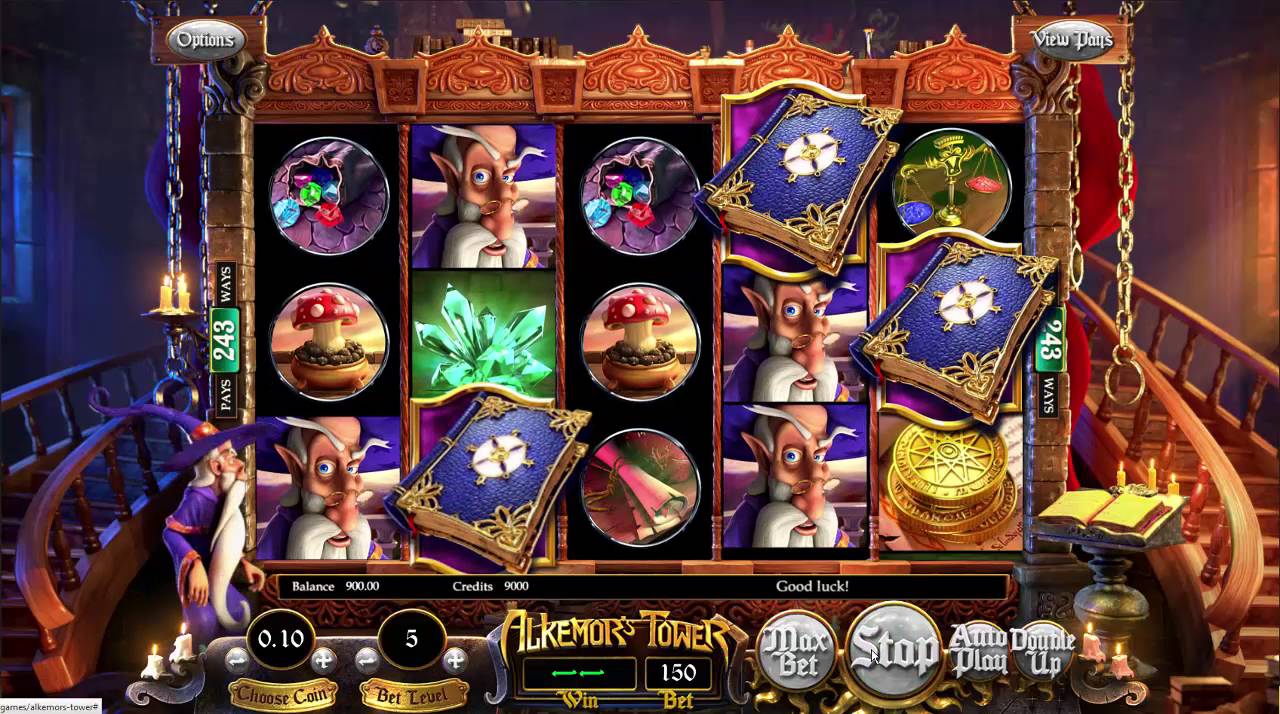
The psychology behind slot gaming extends beyond just rewards. Bright lights, colorful graphics, and engaging sound effects are carefully crafted to capture attention and enhance the gaming experience. These stimuli create a stimulating environment that keeps players emotionally invested, even during periods of loss. Slot designers understand that sensory input can significantly influence player engagement and prolong gaming sessions.
The Illusion of Control
Many players believe they have some influence over the outcome of slot games, even though these games are purely random. This perception of control, combined with near-misses and frequent small wins, reinforces the player’s motivation to continue. This cognitive bias is a key factor in understanding the psychology behind slot gaming, as it encourages repeated play despite statistical odds.
Social and Psychological Factors
Slot gaming also taps into broader social and psychological factors. Players often associate slots with relaxation, fun, and even status, especially in casino settings. Online platforms leverage social features, like leaderboards or community challenges, to enhance the sense of connection and competition. These elements combine to make slot gaming not just a pastime, but a psychologically engaging activity.
Conclusion
The psychology behind slot gaming reveals why these games are more than just luck-based entertainment. By leveraging reward systems, sensory stimuli, cognitive biases, and social engagement, slot machines create an immersive experience that keeps players coming back. Understanding these psychological drivers is crucial for both responsible gaming and the ongoing evolution of game design.
