



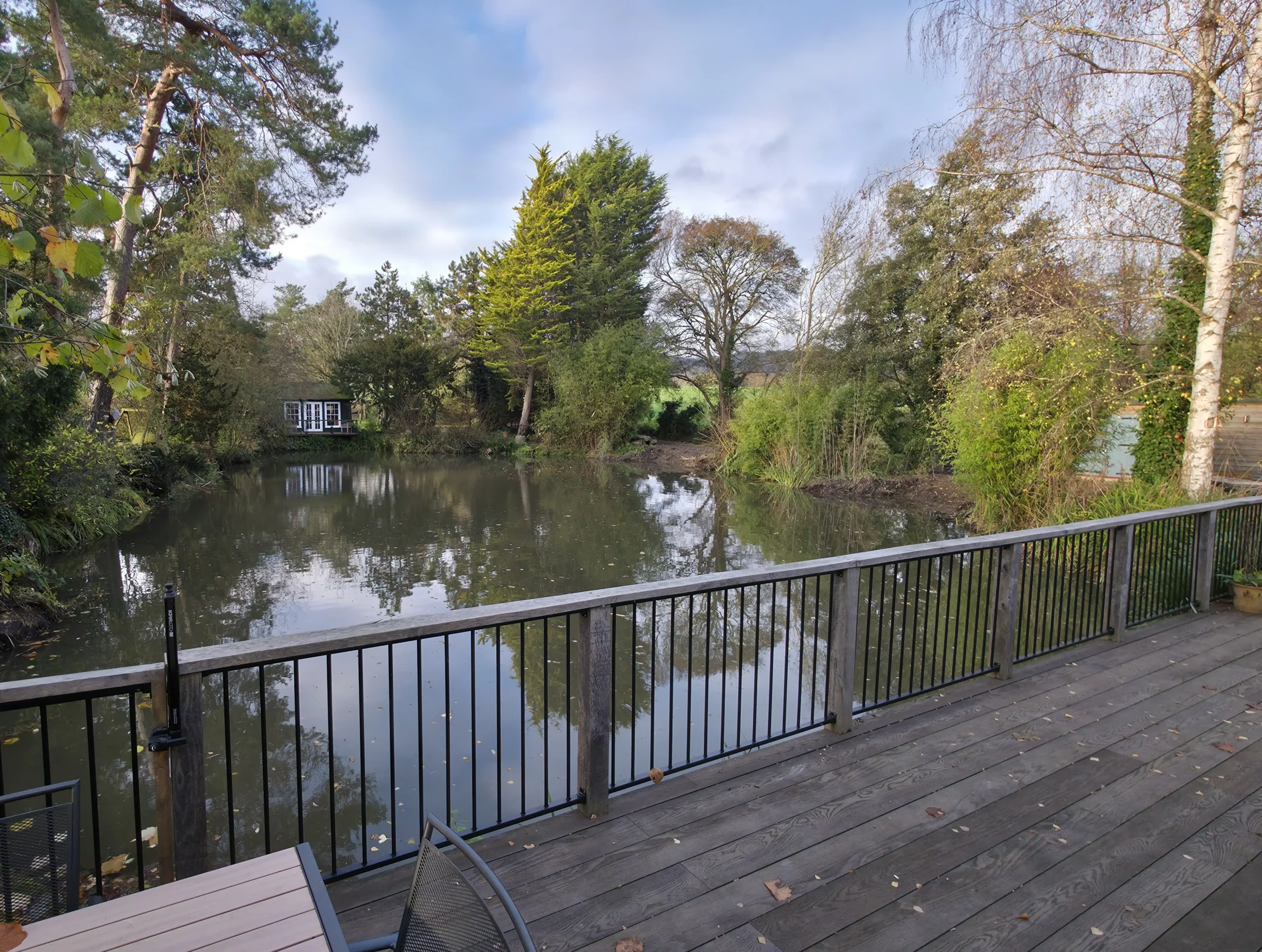
Creating a pond that looks like a natural part of the landscape requires more than simply adding water and decorative features. The plants surrounding the pond play an important role in softening hard edges, creating visual interest, and blending the water feature into its surroundings. Choosing the Top Marginal Pond Plants for Natural-Looking Pond Edges can transform an ordinary pond into a beautiful, wildlife-friendly garden feature.
Marginal plants are particularly useful because they thrive in shallow water or consistently moist soil around the pond perimeter. With the right selection, they can create a transition between the water and the surrounding garden while adding color, texture, and seasonal interest.
What Are Marginal Pond Plants?
Marginal pond plants are species that naturally grow around the edges of ponds, streams, and other wet environments. They typically prefer shallow water or damp soil rather than being completely submerged.
These plants are ideal for pond edges because their roots can tolerate wet conditions while their foliage and flowers grow above the water. They also help create a softer, more natural appearance by hiding artificial pond liners and reducing the stark boundary between water and land.
Why Choose Marginal Plants for Pond Edges?
Adding marginal plants offers several benefits beyond improving the appearance of a pond.
Create a Natural Transition
Plants can soften the visual boundary between the pond and the surrounding landscape. Their foliage can spread over the edge, making the pond appear more established and natural.
Add Color and Texture
Different marginal plants offer a variety of leaf shapes, heights, and flower colors. Combining several species can give your pond a layered and dynamic appearance throughout the growing season.
Support Local Wildlife
Pond-edge plants can provide shelter and habitat for insects, frogs, birds, and other wildlife. Flowering varieties may also attract pollinators such as bees and butterflies.
Best Marginal Plants for Natural-Looking Pond Edges
When selecting plants, consider their mature size, growing requirements, flowering period, and how well they complement other plants around your pond.
1. Marsh Marigold
Marsh marigold is a popular choice for damp areas and shallow pond margins. Its bright yellow flowers provide an attractive splash of color, particularly in spring.
Its rounded foliage also adds a different texture to ponds surrounded by grasses and fine-leaved plants.
2. Pickerelweed
Pickerelweed is valued for its attractive upright growth and clusters of blue-purple flowers. It works especially well when planted in groups along the shallow edges of a pond.
Its lush foliage can help create a dense, natural-looking planting scheme while providing habitat for wildlife.
3. Water Mint
Water mint is an excellent option for gardeners who want fragrant foliage and small flowers around the pond. It produces clusters of pale pink to lilac flowers and can attract pollinating insects.
Because it can spread quickly under suitable conditions, it is best planted where its growth can be managed.
4. Cattails
Cattails are instantly recognizable wetland plants that can give a pond a strong natural appearance. Their tall, vertical foliage creates an attractive contrast with lower-growing plants.
However, some cattail varieties can spread aggressively, so choose an appropriate species and monitor their growth.
5. Blue Flag Iris
Blue flag iris is an attractive marginal plant that produces elegant flowers and sword-shaped foliage. Its upright form adds height and structure to pond borders.
Planting it alongside softer, lower-growing species can create a balanced and natural-looking composition.
How to Arrange Marginal Plants Around a Pond
Choosing good plants is only part of creating an attractive pond edge. Their arrangement also matters.
Instead of planting every variety at equal distances, use groups of plants with different heights and textures. Place taller species toward the back or in wider areas of the pond edge, while shorter plants can be positioned closer to the water.
Repeating a few plant varieties in small groups can make the landscape look more natural than using a different plant at every point around the pond.
Tips for Maintaining Marginal Pond Plants
Most marginal plants are relatively easy to maintain once established, but regular care will keep the pond edge looking attractive.
Remove dead or damaged foliage when necessary and divide overcrowded plants to prevent them from taking over the pond. Keep an eye on particularly vigorous species and remove unwanted growth before it spreads too far.
It is also important to select plants suited to your local climate and the amount of sunlight your pond receives. A plant that thrives in full sun may struggle in a heavily shaded pond.
Create a Beautiful, Natural Pond Edge
The Top Marginal Pond Plants for Natural-Looking Pond Edges can help turn a simple water feature into an attractive and harmonious part of the garden. From colorful flowering plants such as marsh marigold and blue flag iris to architectural choices like cattails, there are many options for creating depth and variety.
For the most natural result, combine plants with different heights, textures, and flowering periods. With thoughtful planting and regular maintenance, your pond edge can become a beautiful focal point that also provides valuable habitat for wildlife.
