



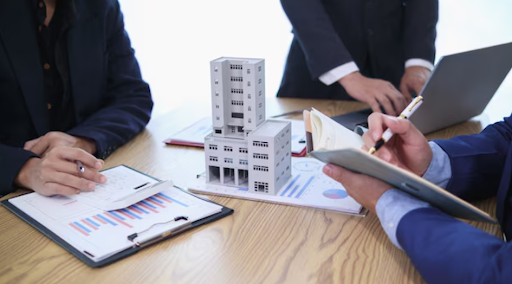
A well-organized community provides residents with a clean, safe, and comfortable place to live. Maintaining such an environment requires proper planning, regular maintenance, clear communication, and responsible financial decisions. Homeowners associations (HOAs) manage shared spaces, establish community rules, and address residents’ concerns. HOA property management helps make these responsibilities easier to handle by keeping daily operations organized and ensuring that community needs receive proper attention.
Keeping Common Areas Clean and Well-Maintained
Clean and attractive common areas make a neighborhood more welcoming. Parks, sidewalks, swimming pools, parking areas, and gardens need regular care to remain in good condition. HOA property management helps arrange cleaning services, schedule landscaping, and ensure that necessary repairs are completed on time.
Regular inspections can also identify problems before they become more serious. For example, repairing a damaged sidewalk early can improve safety and prevent higher repair costs later. Proper maintenance helps residents enjoy shared spaces while keeping the community attractive throughout the year.
Improving Organization Through Professional Management
Managing a community involves many responsibilities that require time, planning, and attention to detail. These tasks may include coordinating contractors, maintaining records, scheduling inspections, and monitoring ongoing projects. Without a clear system, important duties can be delayed or overlooked.
HOA property management helps organize these activities and ensures that tasks are completed according to established schedules. It also supports the homeowners association in making informed decisions about community improvements. With a structured approach, residents can benefit from smoother daily operations and a more organized living environment.
Enforcing Community Rules Fairly
Community rules help maintain order and protect the interests of homeowners. These guidelines may cover parking, noise levels, pet responsibilities, property appearance, and the use of shared facilities. However, applying these rules consistently can be challenging without proper procedures.
HOA property management helps communicate community guidelines and supports fair enforcement. When residents understand their responsibilities, misunderstandings and disagreements can be reduced. Consistent enforcement also encourages homeowners to respect their neighbors and contribute to a peaceful community.
Improving Communication with Residents
Clear communication is essential for maintaining a well-organized neighborhood. Residents need updates about maintenance work, community meetings, planned improvements, and changes to association policies. Poor communication can lead to confusion and frustration.
HOA property management helps keep homeowners informed through notices, updates, meetings, and responses to questions. It also provides a structured way for residents to share feedback and report problems. When homeowners feel informed and heard, they are more likely to participate in community activities and support shared goals.
Managing Budgets and Community Expenses
Financial planning is another important part of community organization. Homeowners associations collect fees to cover expenses such as repairs, landscaping, insurance, and shared facilities. Without careful budgeting, communities may struggle to pay for essential services.
HOA property management helps track expenses, prepare budgets, and maintain accurate financial records. It can also help plan for future repairs and improvement projects. Responsible financial management allows the association to use available funds wisely and prepare for unexpected expenses.
Conclusion
Maintaining a well-organized community requires teamwork, careful planning, and consistent attention to residents’ needs. HOA property management supports these efforts by coordinating maintenance, improving communication, enforcing rules fairly, and managing finances responsibly. With the right management practices, homeowners associations can create a cleaner, safer, and more comfortable neighborhood where residents enjoy a better quality of life.
