



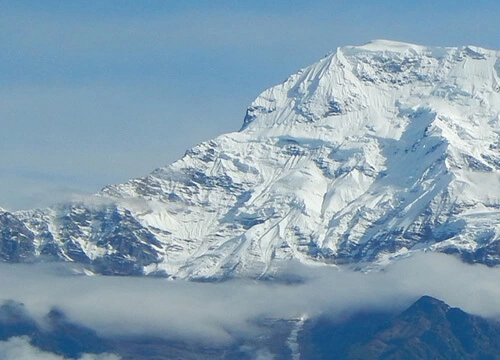
The Annapurna Circuit Trek is one of the most iconic and rewarding trekking routes in Nepal, attracting adventurers from all over the world. Renowned for its remarkable diversity of landscapes, vibrant cultural experiences, and the breathtaking backdrop of the Annapurna mountain range, this trek has been celebrated as a must-do for trekkers seeking both challenge and beauty. Covering distances of 160 to 230 kilometers depending on the route, the Annapurna Circuit offers a journey through subtropical forests, high-altitude deserts, lush valleys, and remote Himalayan villages, culminating in the crossing of the legendary Thorong La Pass (5,416m).
Unlike shorter trekking routes, the Annapurna Circuit combines a perfect balance of physical challenge, cultural immersion, and natural beauty, making it suitable for trekkers with moderate experience and good physical fitness. Whether you are a first-time trekker or a seasoned mountaineer, the circuit promises a lifetime of memories and unparalleled Himalayan experiences.
A Trek Through Nepal’s Diverse Landscapes
One of the standout features of the Annapurna Circuit Trek is the sheer variety of landscapes. From the warm, lush lowlands to the barren high-altitude regions, the trek takes you through a spectrum of ecological zones, each with its own unique beauty.
Subtropical Forests and River Valleys
The journey typically begins in Besisahar or Bhulbhule, at the foothills of the Annapurna range. Trekkers pass through terraced farmland, forests of sal and pine, and small rural villages inhabited by ethnic Gurung and Magar communities. This early part of the trek provides gentle terrain and acclimatization opportunities while allowing trekkers to enjoy the tranquility of rural Nepal. The Marshyangdi and Kali Gandaki rivers accompany trekkers for much of the lower trail, offering scenic riverside pathways dotted with waterfalls and suspension bridges.
Alpine Meadows and High Mountain Valleys
As the trail ascends into higher altitudes, the scenery transforms into open meadows and alpine landscapes. Villages such as Chame, Bagarchhap, and Manang offer stunning views of peaks including Annapurna II, Lamjung Himal, and Manaslu. The high-altitude sections showcase glacial rivers, rocky ridges, and yak pastures that are unique to the Himalayan environment.
The Semi-Desert of Upper Mustang Region
After Manang, trekkers enter the rain shadow of the Annapurna range. The landscapes here are semi-arid, with sparse vegetation and dramatic cliffs reminiscent of Tibetan plateaus. Villages such as Braga and Kagbeni display strong Tibetan cultural influence, from ancient monasteries to prayer flags and chortens. The stark beauty of this region provides a remarkable contrast to the lush greenery of the lower trails.
Cultural Richness Along the Circuit
The Annapurna Circuit Trek is not only about mountains but also about the vibrant culture of the people living in the region. The trek passes through multiple ethnic communities, offering rich opportunities to experience Nepalese traditions and hospitality.
Gurung and Magar Villages
The lower regions of the trek are dominated by Gurung and Magar communities. Trekkers often stay in traditional teahouses, enjoy local cuisines, and engage with villagers who practice centuries-old farming techniques. Visiting small village museums or local temples allows trekkers to understand the history and culture of the region.
Buddhist Influence in the High Himalayas
As trekkers reach Manang and the upper villages, Tibetan Buddhist culture becomes increasingly prominent. Monasteries, mani walls, prayer flags, and chortens are common sights. The Pungyen Gompa and Ribung Gompa near Samagaon exemplify the spiritual depth of the highlands. These cultural experiences enhance the trek, offering not just physical but also emotional and spiritual enrichment.
The Challenge of Thorong La Pass
The highlight and most challenging segment of the Annapurna Circuit Trek is the crossing of Thorong La Pass, standing at 5,416 meters. This pass is among the highest trekking passes in the world and requires careful acclimatization and preparation.
The Ascent to Thorong La
The climb begins early in the morning to avoid strong winds and extreme cold. The ascent is steep, often taking 3–5 hours, depending on fitness and trail conditions. Trekkers are rewarded with breathtaking views of Annapurna, Dhaulagiri, Nilgiri, and other surrounding peaks. The snow-capped panorama from the pass provides one of the most iconic and memorable moments of the entire trek.
The Descent to Muktinath
After crossing Thorong La, the trail descends into the village of Muktinath, a sacred pilgrimage site for both Hindus and Buddhists. The temple complex features natural gas flames and holy water spouts, reflecting the spiritual significance of the region. The descent also marks the transition from the barren, high-altitude terrain into greener valleys, offering a sense of relief and achievement.
Natural Wonders and Wildlife
The Annapurna region falls within the Annapurna Conservation Area (ACA), Nepal’s largest protected area. The trek provides opportunities to see diverse wildlife and flora, including:
- Himalayan tahr
- Blue sheep
- Snow leopards (rarely)
- Langur monkeys
- Himalayan monal (Nepal’s national bird)
The variation of ecosystems—from subtropical forests to alpine meadows and glacial valleys—creates an ever-changing and immersive natural experience.
Difficulty and Preparation
The Annapurna Circuit Trek is considered moderate to challenging. While it does not require technical climbing skills, trekkers must prepare for long walking days, high-altitude conditions, and unpredictable weather.
Preparation Tips
- Engage in regular cardio and strength exercises
- Practice multi-day hikes with a loaded backpack
- Acclimatize gradually to avoid altitude sickness
- Wear layered clothing suitable for varying temperatures
- Stay hydrated and maintain energy levels with proper nutrition
Guides and porters are optional but highly recommended, especially for first-time trekkers, as they provide navigation, safety, and cultural insights.
Best Time to Trek the Annapurna Circuit
The optimal seasons for the Annapurna Circuit Trek are:
Spring (March–May)
- Blooming rhododendrons
- Pleasant temperatures
- Clear mountain views
Autumn (September–November)
- Stable weather and crisp air
- Excellent visibility
- Comfortable trekking conditions
Winter treks are possible but cold, while the monsoon season brings heavy rainfall and slippery trails, making trekking less safe.
Conclusion
The Annapurna Circuit Trek is a journey that combines adventure, natural beauty, and cultural immersion in a way few treks in the world can match. From lush lowland forests and traditional Gurung villages to the stark high-altitude landscapes and the dramatic Thorong La Pass, the trek offers a full spectrum of Himalayan experiences. Standing at the pass and gazing at Annapurna and Dhaulagiri, or exploring sacred villages like Muktinath, leaves an unforgettable mark on every trekker.
For adventurers seeking a diverse, challenging, and culturally enriching Himalayan experience, the Annapurna Circuit Trek provides a journey that goes beyond trekking—it is an exploration of Nepal itself. The trek rewards physical effort with profound beauty, personal accomplishment, and memories that last a lifetime.
CONTACT US;
COMPANY NAME; Nepal Pioneer Treks and Expedition Pvt. Ltd.
ADDRESS; Thamel, Kathmandu 44600, Nepal
EMAIL; [email protected]
WHATSAPP NO; +977 9841159744 (Binod)
