



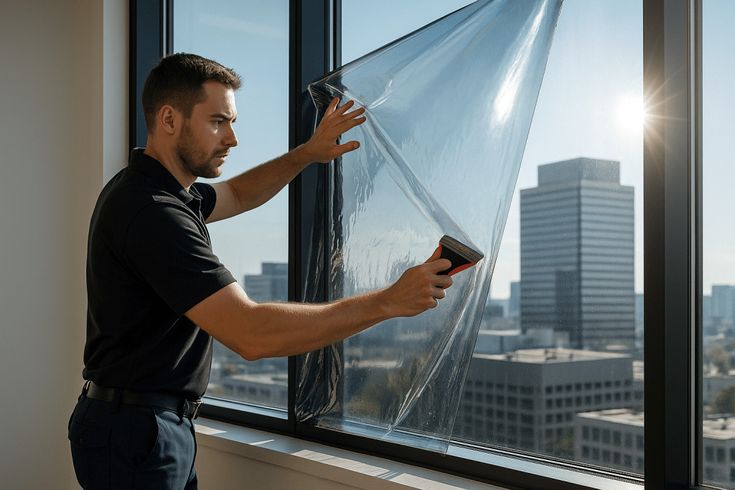
Replacing your windows is a major home improvement project that impacts energy efficiency, comfort, and property value. When it comes to installation, homeowners often face a key decision: tackle the project themselves or hire a professional andersen windows pittsburgh. Understanding the advantages, risks, and requirements of each option is essential for making the best choice.
Table of Contents
ToggleDIY Window Installation: Pros and Cons
Pros:
-
Lower Initial Cost: Doing it yourself eliminates labor fees, reducing upfront expenses.
-
Flexibility: You can work at your own pace and schedule.
-
Personal Satisfaction: Completing the project independently can be rewarding for skilled DIYers.
Cons:
-
Precision Challenges: Improper measurement, leveling, or sealing can lead to air leaks, drafts, or water intrusion.
-
Time-Consuming: Installation may take significantly longer than anticipated, especially for first-timers.
-
Limited Warranty Protection: Many window manufacturers require professional installation for full warranty coverage.
-
Safety Risks: Handling heavy glass panes and using power tools can pose hazards without proper training.
DIY installation can be feasible for experienced handypersons on single or small-scale projects, but mistakes can compromise energy efficiency and lead to costly repairs.
Professional Installation: Advantages
1. Expertise and Precision
-
Professionals ensure accurate measurement, level alignment, and secure fitting, maximizing energy efficiency and longevity.
-
Proper sealing prevents air leaks, drafts, and water infiltration.
2. Time Efficiency
-
Certified installers complete the job quickly, minimizing disruption to your household.
-
Multiple windows can be replaced in a fraction of the time it would take a DIY effort.
3. Warranty and Compliance
-
Manufacturer warranties are often contingent on professional installation.
-
Professionals adhere to building codes and industry standards, reducing future liability concerns.
4. Long-Term Cost Savings
-
Properly installed windows prevent future problems such as water damage, frame warping, and operational issues.
-
Energy efficiency gains from precise installation translate into lower heating and cooling costs over time.
5. Safety
-
Professionals have the experience, tools, and safety protocols to handle heavy materials and work at heights without risk.
Factors to Consider When Making Your Decision
1. Skill Level and Experience
-
DIY installation is suitable only for homeowners with carpentry experience and familiarity with tools.
2. Project Complexity
-
Standard, single-pane window replacements in accessible locations may be manageable.
-
Complex installations, such as large, custom, or hard-to-reach windows, are best left to professionals.
3. Budget vs. Long-Term Savings
-
DIY may save money upfront but could result in higher costs later due to repairs or energy inefficiency.
-
Professional installation involves upfront expense but ensures durability, efficiency, and compliance with warranties.
4. Time Availability
-
DIY projects require a significant investment of time, which may disrupt daily routines.
-
Professionals complete the work quickly, often within a day or two, depending on the project size.
Conclusion
Choosing between DIY and professional window installation requires balancing cost, skill, time, and risk. DIY installation can be appealing for skilled homeowners on small projects, but the margin for error is high. Professional installation offers precision, safety, efficiency, and long-term savings, making it the preferred option for most replacement window projects. Ultimately, the decision should prioritize quality, durability, and energy efficiency, ensuring that your investment in new windows delivers lasting comfort and value.
