


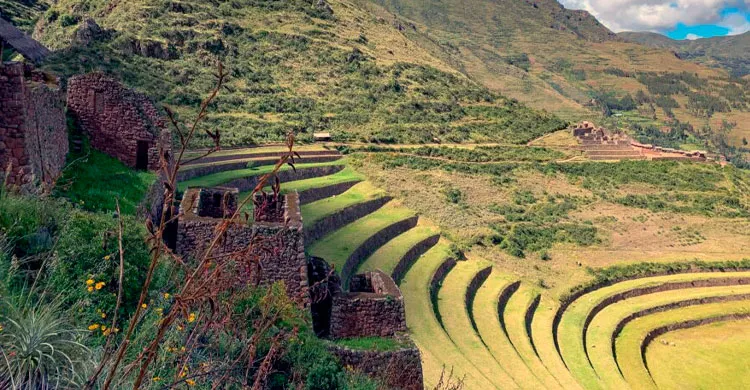
Nestled in the heart of Peru, the Classic Sacred Valley is a region where history, culture, and natural beauty intertwine seamlessly. Stretching along the Urubamba River between Cusco and Machu Picchu, this valley has been a cradle of the Inca civilization and continues to enchant travelers with its breathtaking landscapes, ancient ruins, and vibrant local culture. A visit to the Classic Sacred Valley is like stepping back in time, offering an unparalleled glimpse into the rich heritage of the Andes.
The Geographic Marvel of the Sacred Valley
The Classic Sacred Valley is framed by towering Andean peaks, fertile farmlands, and winding rivers, creating a stunning tapestry of natural beauty. Its unique geography was a key factor in the Inca civilization’s development. The valley’s microclimates allowed the Incas to cultivate diverse crops, from maize to potatoes, sustaining thriving communities. Today, visitors can still witness terraced hillsides and ancient irrigation systems that showcase Inca ingenuity and their deep connection with nature.
Ollantaytambo: The Living Inca Fortress
One of the most iconic sites in the Classic Sacred Valley is Ollantaytambo, a remarkable Inca fortress and town. Often called a “living Inca town,” Ollantaytambo retains its original street layout, cobblestone paths, and centuries-old structures. The fortress itself, perched on a steep hillside, was a strategic military site and a ceremonial center. Visitors can climb the massive stone terraces for panoramic views of the valley, where the ingenuity of Inca engineering is evident in the precisely cut stones and sophisticated water channels.
Pisac: A Blend of Ruins and Local Culture
Another highlight of the Classic Sacred Valley is Pisac, renowned for its archaeological site and vibrant market. The Pisac ruins, set high above the town, include agricultural terraces, temples, and ceremonial areas. The terraces demonstrate the Inca mastery of sustainable farming and are a testament to their advanced knowledge of the environment. Below the ruins, the Pisac market is a lively hub where visitors can purchase handmade textiles, ceramics, and jewelry while experiencing the local culture firsthand. The market is a perfect place to interact with Quechua artisans and learn about their traditional crafts.
Moray and Maras: Agricultural Wonders
The Classic Sacred Valley also boasts Moray and Maras, two sites that highlight the Incas’ agricultural brilliance. Moray features circular terraces that were likely used for experimental farming, allowing the Incas to cultivate crops at different altitudes. The precise design of these terraces demonstrates an understanding of microclimates and soil management that remains impressive even today. Nearby, the Maras salt mines, still in use, showcase thousands of terraced salt ponds fed by a natural spring. The sparkling white pools against the backdrop of the Andes create a surreal and unforgettable landscape.
Experiencing Local Culture and Traditions
Beyond its historical sites, the Classic Sacred Valley offers an immersive cultural experience. Local communities continue to preserve Andean traditions, from weaving and pottery to music and dance. Visitors have the opportunity to participate in workshops, interact with local families, and gain insight into a way of life that has endured for centuries. Festivals and rituals, often held in honor of Pachamama (Mother Earth), provide an authentic glimpse into the spiritual heritage of the region.
Outdoor Adventures in the Sacred Valley
For nature enthusiasts and adventure seekers, the Classic Sacred Valley is a playground of outdoor activities. Hiking along the valley trails offers spectacular views of the Andean mountains, rivers, and terraces. Mountain biking, horseback riding, and zip-lining are popular ways to explore the landscapes while enjoying an adrenaline rush. The valley’s diverse ecosystems, ranging from high-altitude mountains to lush riverbanks, support a variety of wildlife, including Andean condors, llamas, and native bird species, making every outdoor excursion an unforgettable experience.
Culinary Delights of the Sacred Valley
No visit to the Classic Sacred Valley is complete without savoring its culinary offerings. The region’s cuisine reflects both Inca heritage and modern influences, featuring dishes made from locally grown ingredients. Quinoa, corn, potatoes, and fresh herbs dominate the local gastronomy, often prepared in traditional methods that have been passed down through generations. Dining in the Sacred Valley allows travelers to taste the authentic flavors of Peru while enjoying breathtaking views of the surrounding mountains and terraces.
Sustainable Tourism in the Sacred Valley
As tourism continues to grow, sustainability has become a key focus in the Classic Sacred Valley. Many local organizations and communities are committed to responsible tourism practices, ensuring that visitors can enjoy the region’s beauty while minimizing environmental impact. Initiatives include preserving archaeological sites, supporting local artisans, and promoting eco-friendly accommodations and activities. By engaging in sustainable tourism, travelers contribute to the protection of the Sacred Valley’s cultural and natural heritage for future generations.
Planning Your Visit
The Classic Sacred Valley is accessible from Cusco, with well-maintained roads and transport options ranging from private tours to public buses. Most travelers dedicate at least a full day to explore the valley, although a multi-day itinerary allows for a deeper experience of its ruins, villages, and scenic landscapes. To fully appreciate the region’s history and culture, hiring a knowledgeable guide is highly recommended. Guides can provide insights into Inca engineering, local customs, and the stories behind each site, enriching the overall experience.
Conclusion
The Classic Sacred Valley is more than just a tourist destination; it is a living testament to the ingenuity, spirituality, and resilience of the Inca civilization. From the ancient terraces of Ollantaytambo and Pisac to the cultural vibrancy of local communities, the valley offers a journey through time against a backdrop of breathtaking natural beauty. Whether you are an adventurer, history enthusiast, or cultural explorer, the Classic Sacred Valley promises an unforgettable experience that will leave you with a profound appreciation for Peru’s heritage and landscapes. Visiting the Sacred Valley is not just about seeing the sites—it is about feeling the heartbeat of the Andes and connecting with a world that has preserved its essence for centuries.
