



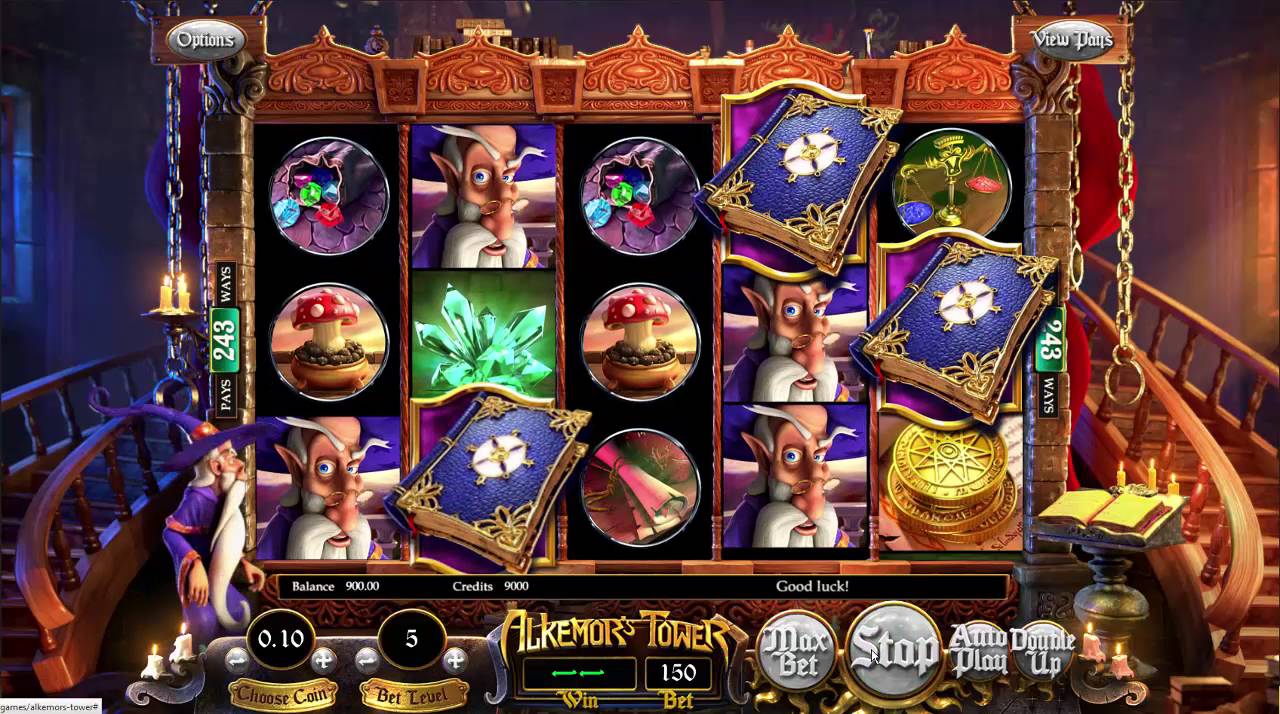
Online slots have become one of the most popular forms of digital entertainment. While the colorful graphics and exciting bonus features attract players, one of the most important concepts behind every slot machine is RTP. Understanding How RTP Works in Slot Online Games can help players make more informed decisions and manage their expectations when playing.
In this article, we’ll break down what RTP means, how it is calculated, and why it matters to online slot players.
What Is RTP in Online Slots?
RTP stands for Return to Player. It is a percentage that represents how much of the total money wagered on a slot game is expected to be paid back to players over time.
For example, if a slot has an RTP of 96%, it means that theoretically, for every $100 wagered, $96 is returned to players in winnings over the long run. The remaining 4% represents the casino’s house edge.
When learning How RTP Works in Slot Online Games, it’s essential to understand that RTP is calculated over millions (or even billions) of spins. It does not guarantee short-term results for individual players.
How Is RTP Calculated?
RTP is determined by game developers during the design phase of a slot game. It is based on complex mathematical models that factor in:
- The number of reels and paylines
- The probability of each symbol appearing
- The payout values of each symbol combination
- Bonus features and special rounds
All of these elements combine to create a long-term statistical return. This is a core part of understanding How RTP Works in Slot Online Games, as it highlights that RTP is rooted in mathematics, not luck manipulation.
Game providers test these percentages extensively before releasing a slot. Independent testing agencies often verify the RTP to ensure fairness and transparency.
RTP vs. Volatility: What’s the Difference?
While RTP tells you the theoretical return over time, volatility (or variance) describes how often and how much a slot pays.
- Low volatility slots: Pay smaller amounts more frequently.
- High volatility slots: Pay larger amounts but less often.
Two games can have the same RTP but feel very different because of volatility. When exploring How RTP Works in Slot Online Games, it’s important to consider volatility alongside RTP to get a complete picture of the gameplay experience.
Does Higher RTP Mean Better Chances?
Generally, a higher RTP means better long-term returns. Slots with RTPs of 96% or higher are often considered favorable compared to those with lower percentages.
However, it’s important to remember:
- RTP works over the long term.
- Short sessions may not reflect the advertised percentage.
- Random Number Generators (RNGs) determine each spin independently.
Understanding How RTP Works in Slot Online Games helps players realize that no strategy can override the mathematical structure of the game. Each spin is random and unaffected by previous outcomes.
Why RTP Matters to Players
RTP provides transparency. It gives players a measurable way to compare different slot games before choosing which one to play.
By paying attention to RTP, players can:
- Choose games with better theoretical returns
- Manage bankroll expectations
- Understand the balance between risk and reward
Although RTP doesn’t guarantee profits, it is a valuable tool for making smarter gaming choices.
Final Thoughts
Learning How RTP Works in Slot Online Games empowers players with knowledge about how slot machines function behind the scenes. RTP represents the long-term payout percentage built into the game’s design, while volatility influences how those payouts are distributed.
