



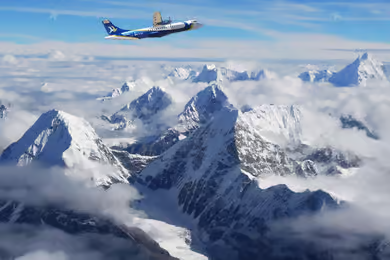
The return journey from Lukla to Kathmandu Helicopter Flight marks a significant milestone for every trekker who has ventured into the Everest region. This flight, whether anticipated with relief or reluctance, carries different weight than the outbound journey—trekkers depart as changed individuals, carrying memories and experiences that will resonate for years to come. Opting for a helicopter flight on this return leg has evolved from a luxury option into an increasingly strategic choice, offering solutions to logistical challenges while providing a spectacular farewell to the Himalayan landscape that has hosted your adventure.
Understanding the Return Journey Dynamic
The psychology of returning from a trek differs fundamentally from the anticipation that characterizes the journey into the mountains. Trekkers arrive in Lukla energized by upcoming adventures, while departures carry the mixed emotions of accomplishment tinged with the awareness that the extraordinary phase of mountain life is concluding. This emotional context makes the quality of the return journey more significant than simple logistics might suggest.
Physical factors also shift the equation. Bodies that were fresh and eager at the trek’s beginning now carry the accumulated impact of high-altitude hiking, variable weather exposure, and nights in basic accommodation. Minor discomforts—a stiff knee, a lingering cough, general fatigue—become more pronounced. The prospect of several more hours of uncomfortable travel can feel daunting. Helicopter flights, with their superior comfort standards and shorter overall journey times, address these physical realities in ways that matter deeply to weary trekkers.
The timeline pressure intensifies on return flights as well. International connections from Kathmandu often operate on fixed schedules that cannot accommodate delays. A single day’s weather disruption in Lukla can trigger a domino effect: missed flights to Bangkok, Delhi, or Doha, followed by missed connections to home destinations, resulting in additional hotel costs, rebooking fees, and days away from work or family. For trekkers facing these stakes, the helicopter’s enhanced reliability justifies premium pricing through tangible risk reduction.
Weather Windows and Operational Excellence
Lukla’s notorious weather patterns create particular challenges for departure planning. Morning fog frequently blankets the valley, while afternoons often bring turbulent winds and cloud buildup around surrounding peaks. Fixed-wing aircraft typically operate within narrow morning windows when conditions are statistically most favorable, creating intense competition for limited seats during weather-affected periods.
Helicopters transform this dynamic through operational versatility. Experienced pilots can assess conditions throughout the day, identifying brief windows when visibility and wind speeds align sufficiently for safe operations. This capability means that even on days when fixed-wing flights cancel entirely, helicopters may find opportunities to operate during mid-morning or early afternoon periods when conditions temporarily improve.
The vertical takeoff and landing capabilities of helicopters also provide safety advantages at Lukla’s challenging airport. While fixed-wing aircraft must commit to runway approaches with limited abort options, helicopters can hover, reposition, and adjust their approach dynamically based on real-time conditions. This maneuverability doesn’t eliminate weather dependency—no aircraft can safely operate in genuinely poor conditions—but it expands the envelope of acceptable operating parameters.
The Aerial Farewell: Landscape as Memory
Departing Lukla by helicopter creates opportunities for reflection that ground-level departures cannot match. As the aircraft lifts from the helipad and banks toward Kathmandu, passengers gain sweeping views of the valleys and ridgelines they traversed during preceding days. The recognition of specific locations—that suspension bridge crossed on day three, the teahouse where you recovered from altitude headache, the viewpoint where dawn illuminated Ama Dablam—transforms the flight into a visual retrospective of your journey.
This aerial perspective reveals patterns and relationships invisible from trail level. The systematic arrangement of terraced fields demonstrates centuries of agricultural engineering. The strategic placement of villages along trading routes becomes apparent. The sheer vertical relief of the landscape, difficult to fully comprehend while hiking within it, displays itself dramatically from above. These observations add layers of understanding to experiences already rich with personal meaning.
For many trekkers, the helicopter flight provides a first clear view of peaks obscured by weather during the trek itself. A cloud-free return flight might unveil Everest, Lhotse, or Makalu in full glory, offering compensation for days when mist and storms concealed the giants. The randomness of weather ensures each flight differs from every other, making your particular journey unique in ways both frustrating and wonderful.
Cost-Benefit Analysis for Practical Travelers
Helicopter flights from Lukla to Kathmandu command premium pricing compared to fixed-wing alternatives, typically costing three to five times as much depending on whether you book a seat on a shared flight or charter a private aircraft. This price differential requires justification beyond simple preference, particularly for budget-conscious travelers who have already invested significantly in their trekking adventure.
The calculation shifts when factoring in opportunity costs and risk mitigation. Consider a scenario where weather delays a fixed-wing departure by two days—not uncommon during monsoon season or winter months. The additional lodge costs, meal expenses, and potential lost income from extended absence begin accumulating. If delays force you to miss international connections, rebooking fees and additional accommodation in Kathmandu or transit cities can easily exceed the initial savings from choosing fixed-wing over helicopter transport.
Insurance coverage often includes helicopter flights for medical reasons, but policies vary regarding coverage for weather-related delays or personal preference. Reviewing your specific policy before the trek allows informed decision-making. Some trekkers purchase helicopter flights as a form of schedule insurance, knowing they have a confirmed departure method regardless of weather disruptions affecting fixed-wing operations.
Coordinating Logistics from Mountain Environments
Modern communication technology has simplified helicopter booking from Lukla substantially. Most lodges offer WiFi, and mobile phone coverage from Nepal Telecom reaches Lukla and surrounding areas reliably. Trekkers can communicate directly with helicopter operators via phone, WhatsApp, or email to arrange flights with relatively short notice.
Reputable operators maintain offices or representatives in Lukla who can facilitate bookings in person. These local agents provide current weather forecasts, explain available options, and coordinate logistics including weight verification and departure timing. During peak season, having flexibility regarding departure date can improve your ability to secure reasonably priced seats on shared flights rather than requiring a full private charter.
Payment arrangements vary by operator, with some requiring advance deposits while others accept payment upon arrival in Kathmandu. Credit card processing is increasingly available, though cash (Nepali rupees or US dollars) remains widely accepted and sometimes preferred. Confirming payment expectations during booking prevents complications at departure.
Safety Standards and Operator Selection
The helicopter industry in Nepal has matured significantly, with professional operators maintaining modern fleets and rigorous maintenance standards. However, quality varies across the industry, making operator selection important for safety-conscious travelers. Established companies with strong safety records, transparent operational procedures, and proper insurance coverage should receive preference over budget operators offering suspiciously low prices.
Pilot experience matters enormously in mountain aviation where weather changes rapidly and terrain demands constant vigilance. Reputable operators employ pilots with extensive mountain flying experience, thorough local knowledge, and appropriate certifications. Don’t hesitate to ask about pilot qualifications, aircraft maintenance schedules, and safety protocols when booking your flight.
Conclusion
The helicopter flight represents Lukla to Kathmandu Helicopter Flight, the final chapter of your Himalayan trekking story, and like all good conclusions, it should provide both closure and perspective. By choosing helicopter transportation for this critical journey, you invest in reliability, comfort, and experience quality that honors the effort you’ve invested in your mountain adventure. The premium cost purchases peace of mind regarding schedule adherence, reduces physical strain during a vulnerable post-trek period, and delivers a memorable aerial conclusion to your time in the world’s highest mountains.
Whether motivated by practical necessity, physical comfort, or the desire for a spectacular finale, helicopter travelers consistently report that the experience justified the investment. As you lift off from Lukla’s mountainside helipad and watch the Himalayas recede behind you, the journey you’ve completed gains final definition—not as something ended, but as something achieved, preserved in memory with all the clarity that distance and altitude provide.
