



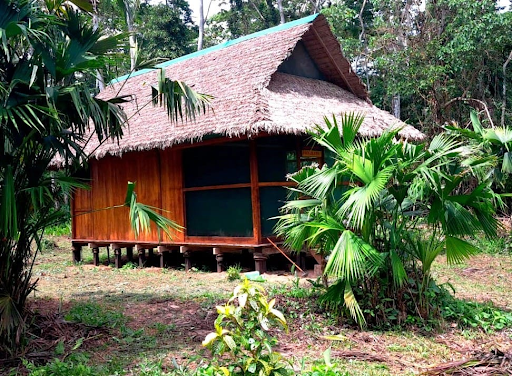
Manu wildlife lodges offer one of the most immersive rainforest experiences on Earth. Located deep within the Peruvian Amazon basin, these lodges provide travelers with rare access to untouched ecosystems, exceptional biodiversity, and authentic jungle exploration. Whether you are a nature enthusiast, wildlife photographer, or adventure traveler, staying at Manu wildlife lodges delivers a front-row seat to one of the most biologically rich regions on the planet.
Positioned near or within the buffer zones of Manu National Park, these lodges combine comfort with conservation, allowing guests to explore remote habitats while supporting sustainable tourism practices.
Why Manu Is Unique for Wildlife Travel
Manu is widely recognized by scientists and conservationists as a global biodiversity hotspot. The region spans from Andean cloud forests down to lowland Amazon rainforest, creating multiple ecological zones in one protected area. This altitude variation supports an extraordinary range of plant and animal species rarely found together anywhere else.
Visitors staying at Manu wildlife lodges may encounter:
- Hundreds of bird species, including macaws and toucans
- Giant river otters and black caimans
- Several monkey species
- Tapirs and other elusive mammals
- Thousands of plant and insect varieties
Because access is controlled and visitor numbers are limited, wildlife encounters tend to be more natural and less disturbed compared to heavily trafficked jungle destinations.
What to Expect from Manu Wildlife Lodges
Manu wildlife lodges are designed to balance ecological responsibility with traveler comfort. While they are located in remote areas, many offer surprisingly high service standards and thoughtful amenities.
Typical features include:
- Private or semi-private jungle cabins
- En-suite or shared eco-bathrooms
- Solar-powered electricity systems
- Freshly prepared local cuisine
- Guided excursions included in packages
- Observation towers and canopy platforms
Rather than luxury in the urban sense, the focus is on experiential richness — waking to jungle sounds, dining surrounded by forest, and exploring directly from your lodge doorstep.
Types of Manu Wildlife Lodges
Not all Manu wildlife lodges are the same. They vary by location, accessibility, and comfort level. Understanding the differences helps travelers choose the best fit.
Deep Rainforest Lodges
These lodges sit closer to protected core zones and require longer travel by road and river. They offer the highest probability of rare wildlife sightings and the most immersive jungle atmosphere. Trips here usually last 5–9 days.
Best for:
- Serious wildlife watchers
- Photographers
- Researchers and naturalists
Buffer Zone Eco-Lodges
Located in protected buffer areas, these Manu wildlife lodges are easier to reach while still offering rich biodiversity. They are ideal for travelers with limited time who still want a meaningful rainforest experience.
Best for:
- First-time Amazon visitors
- Shorter itineraries
- Comfort-focused travelers
Community-Run Lodges
Some Manu wildlife lodges are operated in partnership with local communities. These stays often include cultural experiences alongside nature excursions and directly support local livelihoods.
Best for:
- Responsible tourism supporters
- Cultural travelers
- Educational groups
Wildlife Experiences from Manu Wildlife Lodges
The core value of Manu wildlife lodges lies in guided field experiences. Expert naturalist guides lead daily excursions tailored to weather, season, and wildlife activity patterns.
River Excursions
Boat journeys along jungle rivers are a highlight. Early morning and late afternoon trips provide opportunities to spot birds, monkeys, reptiles, and mammals along riverbanks.
Clay Lick Visits
Certain areas near Manu wildlife lodges feature clay licks where parrots and macaws gather to feed on mineral-rich soil. These colorful gatherings are among the most photographed wildlife events in the Amazon.
Guided Jungle Walks
Trail walks introduce guests to medicinal plants, insect life, amphibians, and forest ecology. Guides interpret animal calls, tracks, and forest behavior, turning each walk into a learning experience.
Canopy Observation
Some Manu wildlife lodges feature canopy towers or platforms that allow visitors to observe life at treetop level — a completely different ecosystem layer rich with bird activity.
Best Time to Visit Manu Wildlife Lodges
Manu is accessible year-round, but conditions vary by season.
Dry Season (May–October):
- Easier trail access
- More stable travel logistics
- Good for longer treks
- Slightly cooler nights
Wet Season (November–April):
- Lush vegetation
- Excellent bird activity
- Fewer visitors
- River levels higher for boat travel
- Some routes may be restricted
Both seasons offer strong wildlife opportunities. Lodge operators adjust daily programs based on conditions.
Sustainability and Conservation Practices
Quality Manu wildlife lodges operate with strict environmental standards. Because the surrounding ecosystem is extremely sensitive, sustainability is central to lodge design and operations.
Common practices include:
- Solar energy systems
- Waste reduction protocols
- Limited group sizes
- Local staff employment
- Conservation funding partnerships
- Wildlife disturbance minimization
By choosing reputable Manu wildlife lodges, travelers contribute directly to rainforest protection and long-term biodiversity research.
How to Reach Manu Wildlife Lodges
Reaching Manu is part of the adventure. Most journeys begin in the city of Cusco, followed by a combination of overland travel and river transport. Depending on the lodge location, access may involve:
- Scenic mountain drives
- Cloud forest crossings
- Motorized canoe journeys
- Multi-day guided transfers
Because logistics are complex, trips are typically organized as all-inclusive packages through specialized operators connected with Manu wildlife lodges.
Who Should Stay at Manu Wildlife Lodges
These lodges are best suited for travelers who value nature, learning, and exploration over luxury entertainment. Ideal guests include:
- Birdwatchers and wildlife photographers
- Eco-travelers
- Adventure seekers
- Academic and research groups
- Responsible tourism supporters
Families and older travelers can also enjoy Manu wildlife lodges, provided they are comfortable with remote conditions and guided travel schedules.
Conclusion
Manu wildlife lodges offer far more than accommodation — they provide direct access to one of the most pristine rainforest ecosystems in the world. With expert guides, conservation-focused operations, and unmatched biodiversity, these lodges deliver a deeply authentic Amazon experience. From river safaris and canopy watching to cultural encounters and scientific discovery, every stay is immersive and meaningful.
For travelers seeking real wilderness rather than staged nature tourism, Manu wildlife lodges stand among the finest rainforest experiences available anywhere.
