



Introduction
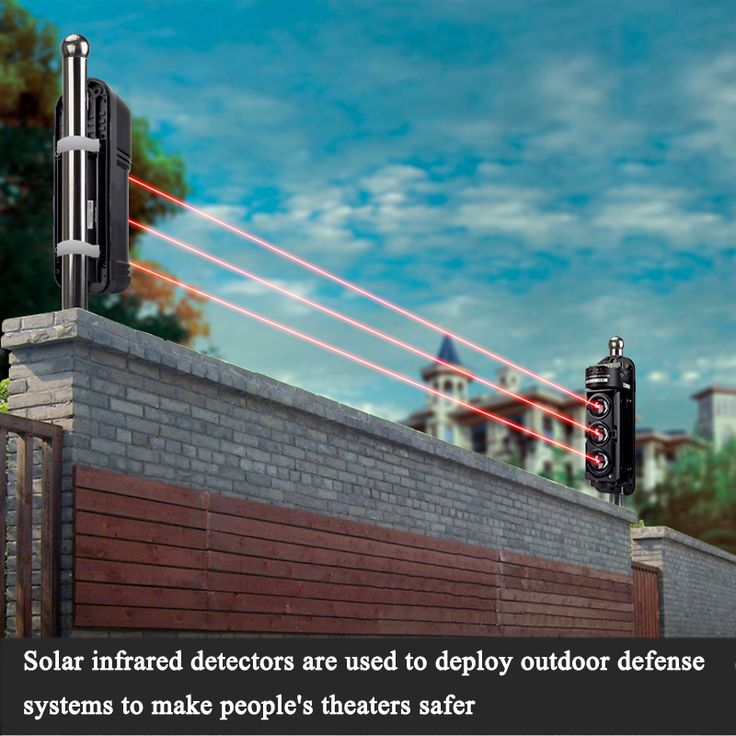
High-value facilities—such as critical infrastructure, industrial plants, correctional institutions, and military installations—require perimeter security systems that are precise, reliable, and responsive. Vibration sensors, including acoustic cables, piezoelectric devices, and fiber optic fence vibration sensor, form a key component of modern security strategies. When deployed effectively, they provide early detection of intrusions and allow for rapid intervention. However, achieving optimal performance requires adherence to best practices tailored to high-value perimeters.
Selecting the Right Sensors
The first step in securing high-value assets is choosing sensors suited to the environment and threat profile:
- Acoustic Cables: Detect vibrations along metal or mesh fences, ideal for long perimeters.
- Piezoelectric Sensors: Sensitive to subtle disturbances, effective for precise zone detection.
- Fiber Optic Fences: Offer high sensitivity and long-range coverage, suitable for critical infrastructure.
Consider factors such as fence material, perimeter length, environmental conditions, and potential intruder methods when selecting the sensor type.
Strategic Placement and Zoning
Proper sensor placement maximizes coverage while minimizing false alarms:
- Zone Division: Divide the perimeter into distinct zones, each monitored individually to localize intrusions.
- High-Risk Areas: Prioritize entrances, corners, or vulnerable sections of fencing where intruders are most likely to attempt entry.
- Consistent Height and Alignment: Maintain uniform sensor placement to ensure reliable detection across the fence line.
Proper Installation Techniques
- Secure Mounting: Use appropriate brackets, clamps, or fasteners to ensure sensors maintain consistent contact with the fence.
- Tension Management: For tensioned wires, achieve optimal tightness to transmit vibrations accurately without triggering false alarms.
- Environmental Protection: Shield sensors from UV exposure, moisture, or physical interference to maintain long-term functionality.
Calibration and Testing
Calibration is critical to fine-tune sensitivity and confirm system performance:
- Establish baseline environmental vibrations, including wind, rain, and nearby activity.
- Adjust thresholds to detect genuine intrusions while filtering out background noise.
- Conduct regular testing, simulating different intrusion scenarios to verify accurate detection and zone localization.
Integration with Complementary Systems
Combining sensors with cameras, alarms, and lighting enhances response effectiveness:
- Cameras: Provide real-time visual verification of detected disturbances.
- Lighting: Motion-activated or alert-triggered illumination improves visibility and deters intruders.
- Central Monitoring Platforms: Consolidate alerts and video feeds for coordinated response and operational efficiency.
Maintenance and Continuous Monitoring
- Perform routine inspections of sensors, brackets, and cables to prevent degradation or malfunction.
- Monitor system performance over time to identify trends or recurring false alarms.
- Adjust sensor sensitivity and zone parameters as environmental conditions change or perimeter modifications occur.
Advantages of Following Best Practices
- Accurate Detection: Early identification of intrusion attempts before breaches occur.
- Reduced False Alarms: Efficient filtering of environmental and operational noise.
- Rapid Response: Precise localization allows security teams to act immediately at the point of intrusion.
- Extended System Longevity: Proper installation, calibration, and maintenance enhance sensor durability and effectiveness.
Applications
- Industrial Sites: Warehouses and storage facilities with valuable inventory benefit from precise and reliable intrusion detection.
- Critical Infrastructure: Power stations, substations, and communication hubs maintain continuous protection against tampering or sabotage.
- Correctional Facilities: Secure perimeters with early detection of escape attempts or unauthorized access.
- Military Installations: Protect sensitive zones with high-resolution, zone-specific monitoring.
Conclusion
Protecting high-value perimeters with vibration sensors requires careful planning, precise installation, and ongoing management. By selecting the appropriate sensors, strategically placing and mounting them, calibrating sensitivity, and integrating with complementary systems, security operators can create a robust and responsive defense. Following these best practices ensures accurate detection, rapid response, and long-term reliability, providing a secure perimeter that safeguards critical assets against a wide range of threats.
