



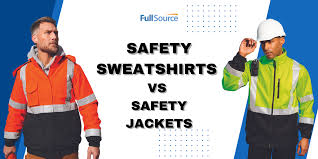
Cold-weather conditions introduce unique safety challenges — reduced mobility, slowed reaction time, low-visibility environments, and the risk of fatigue due to temperature stress. That’s why safety sweatshirts have become a critical layer of protective apparel for outdoor workers in winter or transitional seasons. These garments offer warmth, visibility, and durability designed specifically for high-risk industrial environments.
Warmth That Supports Job Performance
When the body gets cold, physical performance declines. Workers lose dexterity, muscle response slows, and concentration drops — all of which can increase accident risk.
Safety sweatshirts help preserve core warmth, which leads to:
- better hand control
- improved alertness
- reduced stiffness and strain
- maintained work pace
Whether standing roadside with traffic passing at highway speeds, working atop scaffolding, or managing cargo in a draft-exposed loading area, insulation matters.
Visibility in Overcast and Reduced-Light Conditions
Winter and fall months often bring:
- dark mornings
- early sunsets
- cloudy skies
- rain and mist
- snowy glare conditions
Safety sweatshirts provide high-visibility coverage combined with reflective striping that improves recognition under vehicle headlights and job-site illumination. This increased visibility is especially critical when operating around:
- forklifts
- cranes
- tractors
- heavy trucks
- mobile equipment
Warmth and visibility work together to maintain worker awareness and operator recognition.
Durability for Harsh Working Conditions
Outdoor and industrial environments subject garments to demanding conditions. Safety sweatshirts are commonly engineered with:
- reinforced stitching
- durable fabric blends
- fade-resistant coloring
- abrasion-tolerant construction
They withstand:
- repeated washing
- friction from tool belts
- contact with machinery
- exposure to dust and grit
- moisture and wind
Unlike thin fashion hoodies, these garments are built for functional utility on the job site.
Practical Utility Features
Many safety sweatshirts incorporate features that support real-work scenarios, including:
- spacious pockets for tools and devices
- hoodie models for additional head insulation
- adjustable drawstrings
- elastic cuffs to block wind
- zippered or pullover formats for task-appropriate use
These are designed with practicality in mind — keeping radios accessible, hand tools within reach, and personal items secure.
Comfortable Layering for Mobility
Unlike thick jackets that limit arm movement, safety sweatshirts are lighter without sacrificing warmth. They provide comfort while still allowing workers to:
- bend
- reach
- climb
- kneel
- twist
When workers wear gear that restricts motion, they become less efficient and more prone to awkward body positioning — which can contribute to injury. Sweatshirts offer the right balance between insulation and mobility.
Supporting Worker Morale and Professional Identity
Teams equipped with functional, well-fitting clothing experience higher satisfaction and professionalism on site. A comfortable worker is more confident, more focused, and less mentally distracted.
Crews wearing appropriate gear also present a unified, professional appearance that conveys:
- safety awareness
- operational organization
- company credibility
- commitment to worker well-being
This is especially meaningful on publicly visible jobs like infrastructure repair, traffic-side construction, and municipal service work.
Regulatory and Safety Considerations
Many industries are governed by safety visibility standards requiring high-visibility apparel in:
- roadway environments
- loading zones
- rail working areas
- urban operating sites
Safety sweatshirts meet these standards while also addressing cold-exposure risk — something safety vests alone cannot achieve during frigid weather.
Using the right apparel for the season helps maintain compliance and reduces exposure to workplace hazards.
A Practical Investment for Employers
Supplying crews with proper safety sweatshirts isn’t just a courtesy — it’s an operational advantage. Employers benefit from:
- fewer sick days caused by cold exposure
- improved outdoor productivity
- reduced injury risk
- stronger compliance documentation
- improved worker retention
Workwear is part of the equipment budget — not a cosmetic expense.
Final Thoughts and Call to Action
Work doesn’t stop when temperatures drop — and neither should visibility and protection. For teams operating in cold, windy, or low-light environments, insulated apparel is essential to staying safe and prepared on the job. Reliable safety sweatshirts designed for demanding work conditions are available through National Safety Gear, a trusted supplier of industrial-grade safety apparel for professionals across construction, logistics, transportation, and utility fields.
