



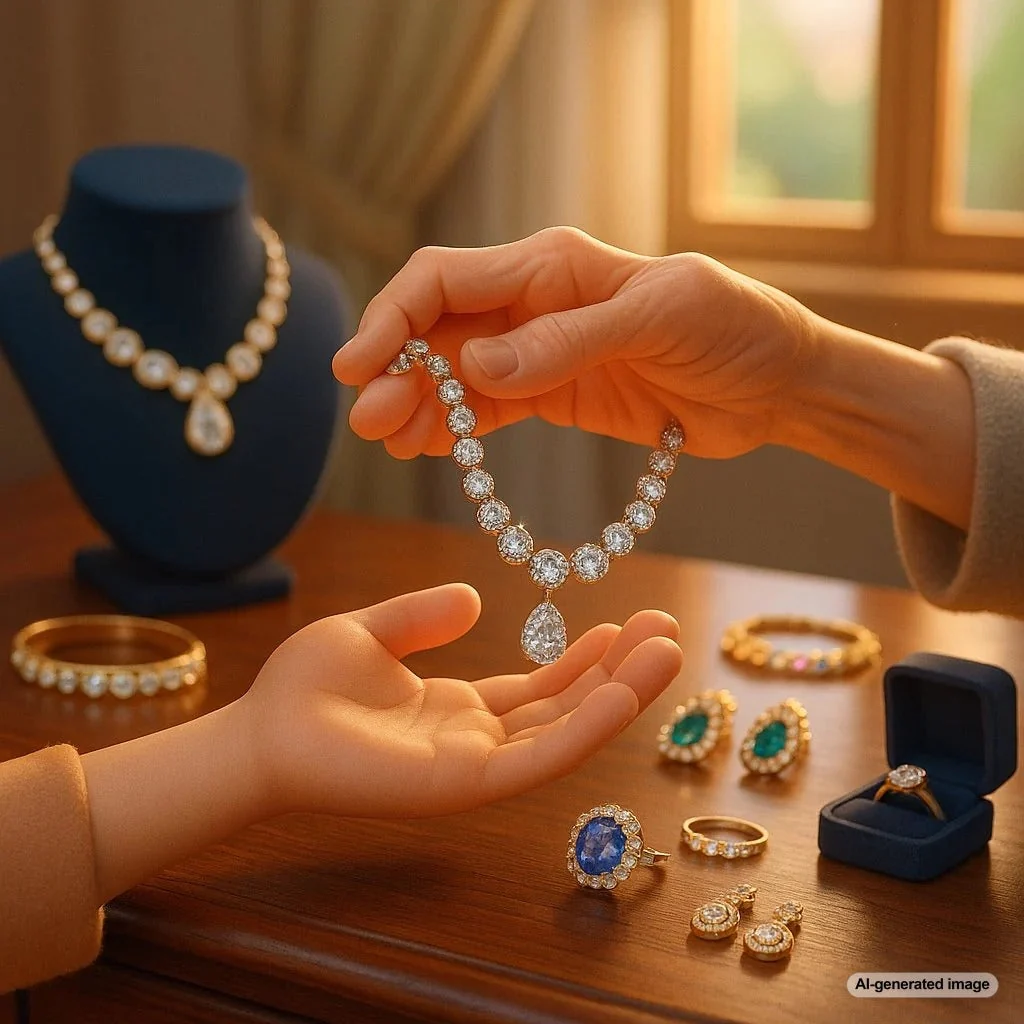
Wedding jewelry has always carried more weight than its price tag suggests, and few pieces embody that idea better than antique wedding earrings. While modern jewelry is often designed for a single moment or season, antique pieces are built to be passed down, worn again, and reinterpreted by each new generation that inherits them. For buyers thinking beyond the wedding day itself, that lasting value is exactly what makes antique earrings such a compelling choice.
Part of what gives antique earrings their staying power is the craftsmanship behind them. Pieces made decades or even a century ago were often produced using hand engraving, hand set stones, and detailed metalwork techniques like filigree and milgrain edging, methods that require significant time and skill to execute well. This level of detail is difficult and expensive to replicate in modern mass production, which means a well preserved antique pair often represents a quality of construction that simply is not available at the same price point in new jewelry today.
Material composition plays a role in long-term value as well. Older pieces frequently use higher karat gold or platinum settings, along with gemstone cuts like the old European or old mine cut diamond, both of which have become less common in modern manufacturing. These cuts carry a distinct, softer sparkle compared to today’s round brilliant cut, and their relative rarity has made them increasingly desirable among collectors who appreciate historical accuracy in a piece’s construction. Over time, this rarity tends to support and even increase the resale and appraisal value of well documented antique jewelry.
Provenance is another factor that separates a true investment piece from a simple vintage-style accessory. Earrings with documented history, whether tied to a specific era, a known jeweler, or a family lineage, tend to hold significantly more value than similar pieces without any traceable background. This is part of why buyers interested in antique wedding earrings as long-term investments should prioritize sellers who can speak clearly to a piece’s age, materials, and condition rather than relying on vague descriptions like simply “vintage style.”
Condition assessment matters just as much as history when evaluating a piece for its long-term value. Clasps, posts, and any prong settings should be inspected for structural integrity, since decades of wear can weaken these components even when the visible design remains beautiful. Any restoration work performed on a piece should be disclosed upfront, as undisclosed repairs or replaced stones can affect both authenticity and future appraisal value. A knowledgeable seller should welcome these questions rather than discourage them, since transparency is part of what protects a buyer’s investment over time.
For couples and collectors alike, there is also a meaningful emotional dimension to choosing earrings meant to last generations. A pair worn on a wedding day and later passed down to a daughter or granddaughter carries a kind of continuity that a newly manufactured pair simply cannot replicate. That sense of legacy, combined with genuine material and craftsmanship value, is exactly why serious collectors and thoughtful gift buyers increasingly view antique wedding earrings as more than a single-occasion purchase.
Choosing a pair with true investment potential requires the same diligence as any significant purchase: verified authenticity, sound condition, and a seller willing to provide full documentation. When those elements come together, an antique pair of earrings becomes something far more valuable than its individual materials suggest, an object with a past, a story, and every reason to remain in the family for decades to come. Buyers ready to explore a fully documented selection can find a carefully curated collection at Gesner Estate Jewelry, where authenticity and craftsmanship are treated as inseparable.
