



A smoke shop is a retail store that specializes in the sale of tobacco products, smoking accessories, and related items. These shops often carry a wide range of products, including cigarettes, cigars, pipes, rolling papers, lighters, and other smoking paraphernalia. In addition to traditional tobacco products, many smoke shops also offer a variety of alternative smoking products, such as electronic cigarettes, vaporizers, and herbal blends. Some smoke shops also sell other items related to smoking, such as incense, candles, and aromatherapy products. Smoke shops are popular among smokers and enthusiasts of smoking culture, as they provide a convenient and specialized location to purchase smoking-related items.
Smoke shops are locations in which individuals may peruse a range of smoking-related items and accessories. The shops are designed to meet the demands of smokers and include a one-stop destination to satisfy the needs of customers when it comes to smoking. Individuals who smoke as a leisure activity or as a method of relaxation and stress elimination tend to visit smoke shops. The shops tend to be manned by experienced staff who can give advice and recommendations to clients looking for certain products or counsel regarding smoking-related issues. In general, smoke shops are a venue for the world of smokers and an easy and specialized point of sale for those who smoke.
History of smoke shops
The origins of smoke shops date back centuries, with many societies in the world having the notion of special shops selling tobacco and smoking-related commodities. In the US, smoke shops have been a fixture of the retail scene for decades, serving the smoker as well as the smoker culture fan. The development of smoke shops in the US can be traced to the legality of tobacco use in the US, especially in the 20th century when smoking was a typical social function. As smoking spread, a need for specialized shops serving the needs of smokers arose, resulting in the development of many smoke shops in the country.
The history of smoke shops is intrinsically connected to the development of smoking culture and the shifting perception of tobacco use. The last decade has seen smoke shops spread their offerings beyond a limited range of smoking accessories and smoking alternatives to cover a broader spectrum, as consumers’ preferences change. Now, smoke shops still act as a source of access to a variety of tobacco and smoking commodities as well as a community centre for the community of smokers.
Products available in smoke shops

Smoke shops provide a diverse product range to cover the demands of smokers and fans of smoking culture. Traditional tobacco-related products such as cigarettes, cigars, and pipe tobacco, as well as a variety of smoking-related accessories such as pipes, rolling papers, lighters, and ash trays, are found in them. Apart from the usual offerings, most smoke shops also sell alternative smoking-related merchandise such as electronic cigarettes, vaporizers, and herbal blends. The shops also sell other smoking-related commodities such as incense, candles, and aromatherapy products.
The inventory at smoke shops is intended to offer the customer a wide range of smoking accessories, satisfying the various tastes and demands of smokers. Most smoke shops also sell specialty items that can be found in few other stores, so they are a readily available outlet for one to find specialty or hard-to-get smoking accessories. In general, smoke shops make an effort to give the customer a specialized and easy one-stop shop experience by selling a large variety of good-quality smoking-related accessories.
Laws and regulations of smoke shops
Smoke shops are regulated by a number of statutes and regulations that control the sale and distribution of tobacco as well as smoking accessories. In the US, the regulations are mostly enforced at the state and federal levels, with each different jurisdiction having its own range of statutes related to the operation of smoke shops. These statutes usually address such matters as the age limit to purchase tobacco, licensing of smoke shop owners, and the placement of smoke shops. The smoke shops also must conform to federal regulations that control the packaging and labeling of tobacco products.
The regulations as well as the laws that govern the operation of smoke shops are intended to safeguard public health and to see that tobacco products are sold in a proper and reasonable fashion. These regulations seek to limit access to tobacco products by underage smokers, decrease the incidence of tobacco-related disease, and encourage safe and proper use of tobacco. Owners of smoke shops are charged with the responsibility of making their shops conform to all the proper regulations and laws, and the failure to do so may lead to penalties, fines, or even the shutdown of the shop. On balance, these regulations play a vital role in regulating the work of smoke shops and encouraging proper practices in the industry.
The culture of smoke shops
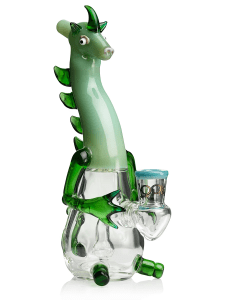
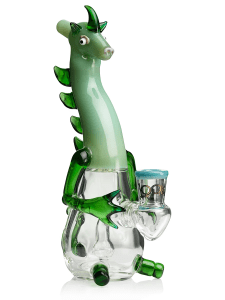
Smoke shops are a part of the smoking culture and a hotspot for customers who use smoking as a lifestyle or a leisure activity. The shops tend to attract a wide variety of customers, such as occasional smokers, fans of the culture of smoking, and smokers looking for alternative smoking goods. Some of the shops function as social hangouts too, as they allow customers to meet other like-minded people and bond with them over the culture of smoking. There is a culture of community and community spirit between the customers and employees in the smoke shops.
The culture of smoke shops is also shaped by the vast array of products available at smoke shops. Smoke shops tend to carry specialty and unique offerings that appeal to a given inclination within the smoking community, and as a result, they are sought after by people who are looking for high-quality or specialty smoking accessories. Some smoke shops also arrange events or sales that add to the perceived community aspect of their clientele, such as product demonstrations, tastings, or informational classes. On the whole, the culture at smoke shops is one of community and inclusivity among people who are all drawn by smoking.
The effects of smoke shops on public health
The existence of smoke shops has been a concern regarding their potential effect on public health, notably in relation to tobacco product sales and distribution. Smoking is known to be a major cause of preventable disease and death, and the ill health effects of tobacco can be better appreciated in light of the growing concern about tobacco. As such, debate about the role of smoke shops in encouraging or advancing smoking-related practices continues to be a topic of discussion. According to its critics, such shops can be a source of greater tobacco use by offering easy access to a variety of smoking commodities.
