



Clear, healthy-looking skin rarely comes from using one product or booking a single treatment. Acne, clogged pores, uneven texture, pigmentation, and post-acne marks can have different causes and often require different approaches. A well-planned medical spa routine combines professional treatments with consistent home care while allowing enough time for the skin to recover.
The most effective approach is not necessarily the most aggressive one. Instead, the goal should be to identify your primary concerns, choose appropriate treatments, protect the skin barrier, and monitor progress over time.
Start With a Professional Skin Assessment
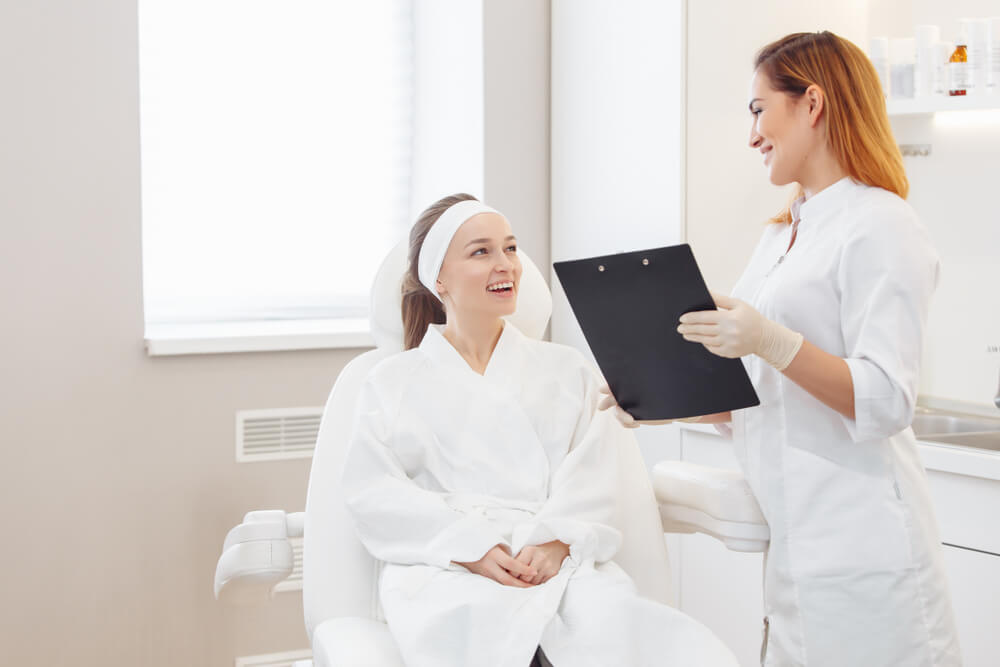
Before choosing a treatment, begin with a consultation. A qualified skincare professional can assess whether you are dealing with active acne, post-inflammatory pigmentation, dehydration, enlarged pores, uneven texture, or true acne scarring.
This distinction matters because treatments designed for pigmentation may not be the best choice for deep scars, while aggressive resurfacing may be unnecessary for mild breakouts. Personalized assessment is a common foundation of professional skincare programs.
Your consultation should also cover your previous treatments, skincare products, sensitivities, medications, sun exposure, and how much downtime you are comfortable with.
Define One or Two Primary Skin Goals
Trying to correct every skin concern simultaneously can make a treatment plan unnecessarily complicated. Start by identifying your most important goals.
For example, your priorities might be:
- Reducing active breakouts
- Controlling excess oil and congestion
- Fading dark post-acne marks
- Improving rough or uneven texture
- Reducing the appearance of acne scars
- Improving overall brightness and hydration
Once the main concerns are identified, treatments can be selected according to the needs of your skin rather than simply following popular trends.
Control Active Acne Before Treating Scars
If you currently experience frequent inflamed breakouts, controlling acne should generally come before intensive scar correction. Continuing to develop new acne while treating old scars can make it difficult to maintain progress.
A professional plan may involve appropriate topical skincare, acne-focused facials or peels, and other medically supervised options when necessary. Chemical peels, for example, may help with certain types of acne and post-acne discoloration, while more advanced procedures can be considered after active acne is better controlled.
Avoid picking or squeezing pimples because this can increase inflammation and contribute to lasting marks or scars.
Choose Treatments According to the Problem
Different medical spa treatments work in different ways, so treatment selection should follow the skin concern.
Chemical Peels for Surface Concerns
Chemical peels use carefully selected acids to exfoliate the outer layers of skin. Depending on the formulation and strength, they may help improve congestion, uneven tone, mild acne, and superficial pigmentation.
Peels can vary significantly in intensity, so they should be selected according to skin type, concern, and tolerance. People prone to pigmentation may need particularly careful treatment selection and sun protection.
Microneedling for Texture and Certain Scars
Microneedling creates controlled micro-injuries that stimulate the skin’s natural repair process and collagen production. It is commonly considered for uneven texture, enlarged pores, and certain types of depressed acne scars.
Because collagen remodeling takes time, microneedling is generally approached as a series rather than a one-time solution. The exact number and spacing of sessions should be determined after evaluating the skin.
Laser Treatments for Selected Concerns
Certain laser procedures can improve pigmentation, acne-related redness, texture, or scarring. However, laser settings and treatment choices need to be individualized, particularly for people with darker skin tones who may have a greater risk of post-treatment pigmentation.
A qualified professional should explain the expected benefits, possible side effects, and recovery period before treatment.
Build a Simple Home-Skincare Routine
Professional treatments work best when supported by consistent home care. Your routine does not need to contain numerous products.
A basic routine may include:
Morning:
Gentle cleanser → moisturizer → broad-spectrum sunscreen
Evening:
Gentle cleanser → recommended treatment product → moisturizer
Depending on your skin and diagnosis, a professional may recommend ingredients such as retinoids, salicylic acid, benzoyl peroxide, azelaic acid, or other targeted products. Not every active ingredient is suitable for everyone, so introducing several powerful products at once can increase irritation.
Give Your Skin Time Between Treatments
One of the most important parts of a medical spa plan is allowing adequate recovery. More treatments do not automatically mean faster results.
Chemical peels, microneedling, and laser procedures can temporarily cause redness, sensitivity, dryness, or peeling. Treatment schedules should therefore account for healing and the intensity of each procedure.
For acne scars especially, visible improvement usually develops gradually as collagen remodeling occurs over multiple weeks or months.
Make Sun Protection Non-Negotiable
Sun exposure can worsen pigmentation and interfere with efforts to achieve a more even complexion. This makes sunscreen an essential part of a skin-improvement plan, particularly after exfoliating or resurfacing treatments.
Use a broad-spectrum sunscreen consistently and follow professional instructions regarding sun exposure after procedures. Protective clothing and seeking shade can provide additional protection.
Track Your Progress Instead of Chasing Instant Results
Take photographs under similar lighting every few weeks rather than judging your skin from day to day. Skin naturally changes with hormones, stress, weather, and other factors, making daily comparisons unreliable.
Your treatment provider can use your progress to determine whether the current plan should continue, be adjusted, or be simplified. A personalized program should evolve according to how your skin responds.
Consider a Combination Approach Carefully
Some skin concerns benefit from combining different treatment methods. For example, a plan might use one approach to control pigmentation while another focuses on texture or scarring.
However, combination treatment does not mean performing everything at once. Procedures may need to be separated into different stages to reduce irritation and allow the skin to heal.
When considering a provider such as Vedas Medical Spa, focus on whether the consultation addresses your individual skin concerns, treatment suitability, expected results, aftercare, and potential risks rather than simply choosing the largest treatment package.
Know When Professional Medical Care Is More Appropriate
A medical spa may be appropriate for certain cosmetic skin concerns, but persistent, severe, painful, or cystic acne may require evaluation by a dermatologist or other qualified medical professional. The same applies to unusual skin changes, infections, severe reactions, or concerns that do not improve with routine care.
A responsible treatment plan should prioritize skin health rather than promising perfect or instant results.
Create a Long-Term Maintenance Plan
Once your skin begins improving, the goal changes from intensive correction to maintenance. This may involve fewer professional treatments, continued sunscreen use, appropriate home skincare, and periodic skin assessments.
The exact maintenance schedule depends on your skin condition and the procedures used. Some treatments are repeated periodically, while others should only be performed when clinically appropriate.
Final Thoughts
Building a medical spa plan for clearer skin is about strategy, consistency, and patience. Start with a professional assessment, identify your main concerns, control active acne, select treatments suited to your skin, maintain a simple home routine, and give your skin sufficient recovery time.
