



Cold and flu season brings out no shortage of home remedy advice, and separating what actually has research behind it from what is purely folklore makes a real difference in how you spend a sick week.
A handful of herbal remedies, elderberry, echinacea, and ginger chief among them, have a genuinely reasonable body of clinical research supporting their use, even if the effect sizes are modest rather than miraculous.
This guide covers what the evidence actually shows for each of the most researched options, how to use them correctly, and where the honest limits of herbal remedies sit compared to seeing a doctor.
Elderberry: Shortening the Illness, Not Preventing It
Elderberry’s antiviral activity comes largely from its anthocyanin content, which appears to interfere with a virus’s ability to bind to and enter healthy cells.
A randomized, placebo-controlled trial found elderberry extract reduced both the duration and severity of flu symptoms, with participants recovering roughly two days faster than the placebo group.
It is worth noting honestly that the overall quality of elderberry research is mixed, with several studies being small, short, and in some cases funded by product manufacturers, so treat the effect as real but modest rather than dramatic.
Elderberry works best started within the first day or two of symptoms appearing, which is why many herbalists recommend having a prepared syrup on hand before cold season starts rather than waiting until you are already sick.
Echinacea: Modest Support for Prevention and Duration
A meta-analysis reviewing 14 clinical trials found echinacea reduced the odds of catching a common cold by around 58 percent and shortened the average cold by roughly a day and a half among those who did get sick.
Like elderberry, echinacea’s effect appears strongest when started early, ideally within the first 48 hours of symptoms, rather than after an illness is already fully underway.
Echinacea works through activating white blood cells and immune signaling molecules, essentially giving the body’s own defenses an earlier, stronger start against the virus rather than attacking the virus directly.
Ginger: Anti-Inflammatory Support With a Pleasant Side Effect
Ginger’s gingerol compounds show anti-inflammatory activity and appear to stimulate an early antiviral protein response, giving it a plausible mechanism beyond simply making tea taste better.
A clinical trial studying a ginger and echinacea combination in suspected COVID-19 outpatients found the herbal group showed greater improvement in cough, shortness of breath, and muscle pain compared to a standard treatment comparison group.
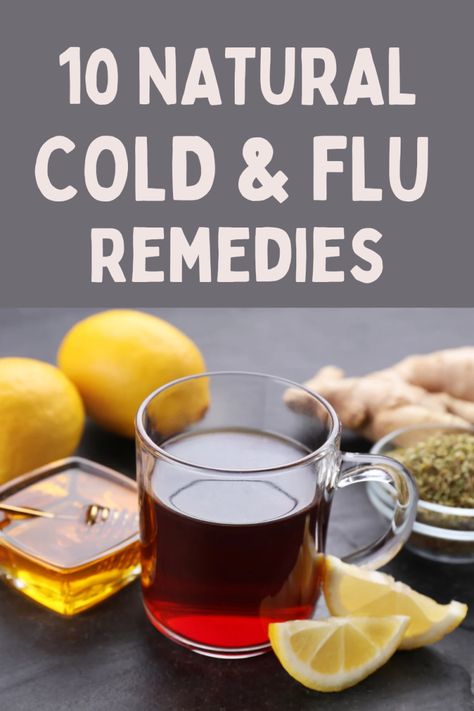
Fresh, grated ginger steeped in hot water with honey and lemon remains one of the most pleasant and accessible ways to use it, and unlike some herbs, there is little downside to simply enjoying it as a regular warm drink during cold season.
Thyme and Eucalyptus for Congestion
Thyme’s active compound, thymol, has shown antiviral activity in laboratory research while also helping calm inflamed, irritated airways, making it a reasonable addition once a cold moves into the chest.
Thyme is traditionally paired with ivy leaf in European herbal cough preparations, and this combination has real trial support specifically for productive, chest-based coughs rather than a dry, tickly one.
Eucalyptus works differently, largely through inhaled vapor rather than ingestion. A bowl of hot water with a few drops of eucalyptus oil, breathed in with a towel draped over the head, is a traditional and genuinely effective way to loosen congestion.
Both herbs pair naturally with the earlier remedies in this guide rather than replacing them, addressing the respiratory symptoms that elderberry and echinacea are not specifically designed to target.
Honey: The Most Reliably Evidence-Backed Remedy of All
Honey has arguably the strongest, most consistent research behind it of anything in this entire list, particularly for cough. Multiple reviews have found honey outperforms both placebo and the antihistamine diphenhydramine for cough relief.
Against dextromethorphan, the active ingredient in most over-the-counter cough medicine, honey performed comparably, making it a genuinely reasonable substitute for anyone who prefers to avoid conventional cough syrup.
Honey should never be given to a baby under twelve months old, due to the risk of infant botulism, a restriction that applies regardless of how the honey is prepared or served.
Zinc, Vitamin C, and Other Complementary Support
Zinc has research support specifically for reducing symptom severity when taken as a lozenge close to the onset of symptoms, working through a somewhat different mechanism than the herbal antivirals above.
Vitamin C’s role is more modest than its popular reputation suggests. Research generally shows it does little to prevent an ordinary cold in most people, though it may shorten illness duration slightly when taken consistently rather than started after symptoms begin.
Garlic has some research support for antimicrobial activity and may modestly reduce cold frequency with regular use, though the effect is smaller and less consistent than elderberry or echinacea.
None of these supplementary options are strong enough to rely on alone, but layering a couple of them alongside the herbs already discussed rounds out a reasonably well-supported seasonal routine.
Building a Simple Cold Season Routine
- Start echinacea or elderberry at the very first sign of symptoms rather than waiting to see if things get worse
- Sip fresh ginger tea with honey and lemon throughout the day for both symptom relief and hydration
- Rest genuinely matters as much as any herb, since sleep is when much of the immune system’s heavy lifting happens
- Stay ahead of dehydration, since thick mucus and a scratchy throat both improve significantly with adequate fluid intake
For detailed, step-by-step recipes turning these herbs into syrups, teas, and tinctures you can keep ready before cold season arrives, The Lost Herbs has extensive guides covering exactly this kind of seasonal preparation.
When to See a Doctor Instead
Herbal remedies are genuinely useful for shortening and softening an ordinary cold or mild flu, but they are not a substitute for medical care when symptoms are severe or unusual.
Seek medical attention for difficulty breathing, chest pain, a fever that will not come down, symptoms that improve and then suddenly worsen, or any respiratory illness in a very young infant, an elderly person, or anyone with a chronic health condition.
Herbs also interact with medications, so anyone on prescription drugs, pregnant, or managing a chronic illness should check with a doctor or pharmacist before relying on any of these remedies regularly.
Final Thoughts
Elderberry, echinacea, ginger, and honey each have genuine, if modest, research support for easing and shortening an ordinary cold or flu, particularly when started early in the illness.
Keep them stocked before cold season starts, use them at the very first sign of symptoms, and treat them as a real complement to rest and hydration rather than a substitute for medical care when something is genuinely serious.
