



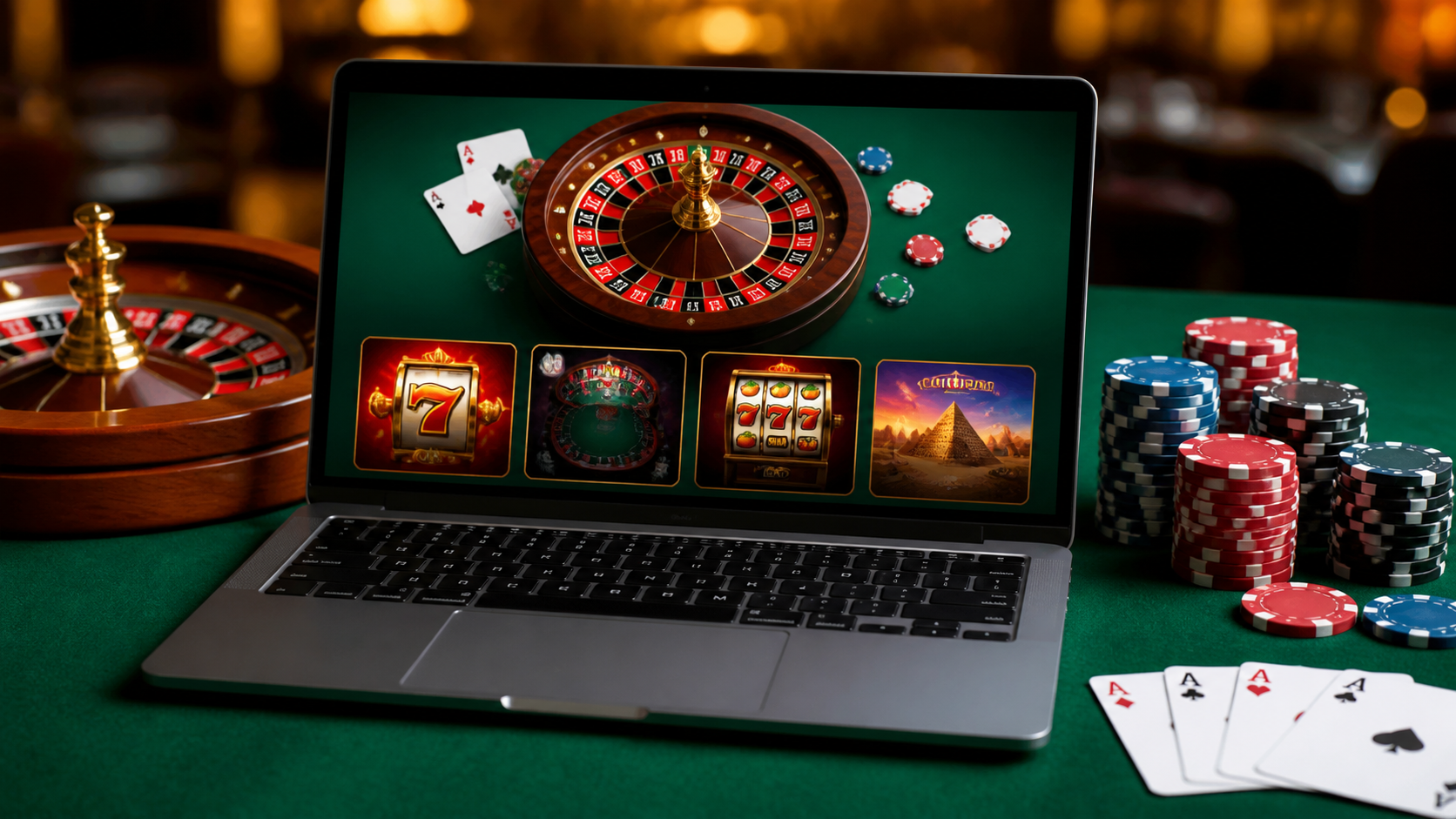
Online gaming and wagering have become part of the wider entertainment landscape, and many readers want a clear, balanced view of how the market works in Singapore. The subject can feel confusing at first because it sits at the intersection of leisure, technology, and personal responsibility. Some people are curious about how platforms operate, while others simply want to understand the main considerations before spending time or money on them.
That is where a practical editorial guide helps. Instead of focusing on hype, it is more useful to look at what matters most: how to evaluate a platform, what game categories tend to attract attention, which habits support more mindful play, and why the surrounding rules and user expectations deserve attention. For readers exploring online betting Singapore, the goal should be to understand the space clearly enough to make informed choices rather than impulsive ones.
What online betting Singapore Means for Modern Players
The phrase online betting Singapore can cover a broad range of digital gaming activities, from sports-related wagering to casino-style entertainment and other interactive formats. For many users, the attraction is convenience. A platform can be accessed from home, games are often available at any time, and the overall experience may feel more flexible than visiting a physical venue. That convenience, however, should be viewed alongside the need for personal discipline and careful selection.
It also helps to remember that not every site offers the same structure, support, or user experience. Some platforms are designed around quick sessions and simple interfaces, while others provide a larger selection of games and account features. A reader who understands the difference is better positioned to avoid frustration later. The best starting point is usually to think about the experience you want: entertainment, variety, ease of use, or a more familiar casino-style atmosphere.
Another important factor is expectation management. Digital betting spaces can be engaging, but they are still forms of entertainment, not reliable ways to create income. That perspective encourages healthier decisions and reduces the chance of chasing outcomes that no platform can promise.
How to Evaluate a Platform Before You Play
Choosing a platform should involve more than scanning the homepage or looking for flashy promotions. A well-rounded assessment can prevent a lot of disappointment. The most useful approach is to review the overall experience as if you were comparing a service, not just a game library. A clean interface, responsive navigation, and clear account information can make a meaningful difference.
Usability and game access
Start by asking whether the site is easy to understand. Are the games grouped logically? Can you find the main sections without searching too hard? Is the platform comfortable to use on mobile devices as well as desktop? These may seem like basic questions, but usability affects how smoothly a player can engage with the site.
Game access matters too. Some users want table-style games, while others prefer fast, casual formats. A better platform generally makes it easy to browse, test, and switch between options without unnecessary friction. That kind of design does not guarantee a better outcome, but it does support a more pleasant experience.
Account terms and support
Clear account terms are another good sign. Players should know how deposits, withdrawals, identity checks, and account limits are handled before they commit time. Ambiguity in these areas can cause avoidable problems later. Customer support is equally important because even well-designed platforms can raise questions about access, payments, or game rules.
- Check whether the site explains how account verification works
- Look for readable terms around payments and withdrawals
- Review the support channels available to users
- Notice whether the platform presents its rules in plain language
Game Types and the Experience They Create
Not all digital betting content feels the same. Some players prefer games that move quickly and rely on simple decisions, while others enjoy formats with more visible structure and pacing. Understanding the common categories helps users choose experiences that suit their preferences rather than following whatever appears most prominent on the screen.
Casino-style games often appeal to users who enjoy short rounds and immediate feedback. Sports-related betting tends to attract those who prefer following events and considering form, timing, or match context. Other formats may focus on chance, strategy, or a mix of both. Each type creates a different rhythm, which is why personal preference matters so much.
Fast-paced formats
Fast-paced games usually appeal to players who want simple participation and quicker sessions. These formats can be easy to start, but they also encourage rapid decisions. That means it can be wise to set internal limits before playing. When the pace is high, it is easier to lose track of time or move too quickly from one round to another.
Strategy-influenced formats
Some games feel more strategic because the player has more visible choices or because event knowledge influences the experience. Even here, though, outcomes are never fully under the user’s control. Strategy can shape decisions, but it does not remove uncertainty. That is why careful play matters in every format, regardless of how skilled or informed the participant feels.
Responsible Play Habits That Improve the Experience
A healthy approach to digital betting starts with boundaries. People often focus on what games to play, but the more important question is how to play without letting the activity take over. A clear budget, a fixed time window, and a willingness to stop when the session is no longer enjoyable are all practical habits. These are not dramatic measures; they are basic forms of self-management.
It is also useful to separate entertainment from emotion. Some players begin to chase losses after a disappointing result, while others keep extending a session because the process feels engaging. Neither habit tends to support good judgment. A better approach is to decide in advance what a session is meant to be and to treat that decision as part of the plan rather than a suggestion.
Players can also benefit from taking breaks. Even a short pause can help reset attention and reduce impulsive choices. If the experience starts to feel stressful rather than entertaining, stepping away is often the most sensible response. The point of the activity should be enjoyment, not pressure.
What Matters Most When Comparing Options
When readers compare platforms, they often focus on the visible surface: bonuses, layout, or the number of games listed. Those features matter, but they should not be the only considerations. A more balanced comparison looks at stability, transparency, and the overall user experience. A site that feels polished but unclear may be less useful than one that is simpler but easier to trust.
- Platform clarity: easy menus, understandable rules, and readable terms
- Game variety: enough options to suit different preferences without feeling cluttered
- Support quality: access to help when account or payment questions appear
- Payment handling: straightforward information about deposits and withdrawals
- User discipline tools: features that help players manage time and spending
It is also sensible to compare platforms with your own habits in mind. A frequent player may value a different design than someone who logs in occasionally. Someone interested in table-style play may not care much about a long list of other categories, while another user may prefer variety above all else. The right choice is rarely universal; it is usually personal.
Finally, readers should remain cautious about promotional claims. A bold message on a homepage does not tell the full story. Careful comparison means looking past the headline and focusing on how the platform actually functions once you begin to use it. That is where the real quality becomes visible.
Conclusion: Making Smarter Choices in a Crowded Market
Digital wagering in Singapore is best approached with a clear head and realistic expectations. The most useful habits are often the simplest ones: understand the platform, review the rules, compare game types thoughtfully, and keep personal limits in place. Those steps do not remove uncertainty, but they do make the experience more controlled and more comfortable.
For anyone exploring this space, the real goal is not to chase excitement at any cost. It is to choose entertainment that fits your preferences while staying aware of the risks and responsibilities involved. When readers focus on clarity, moderation, and careful comparison, they are usually in a better position to make decisions that feel informed rather than rushed.
