



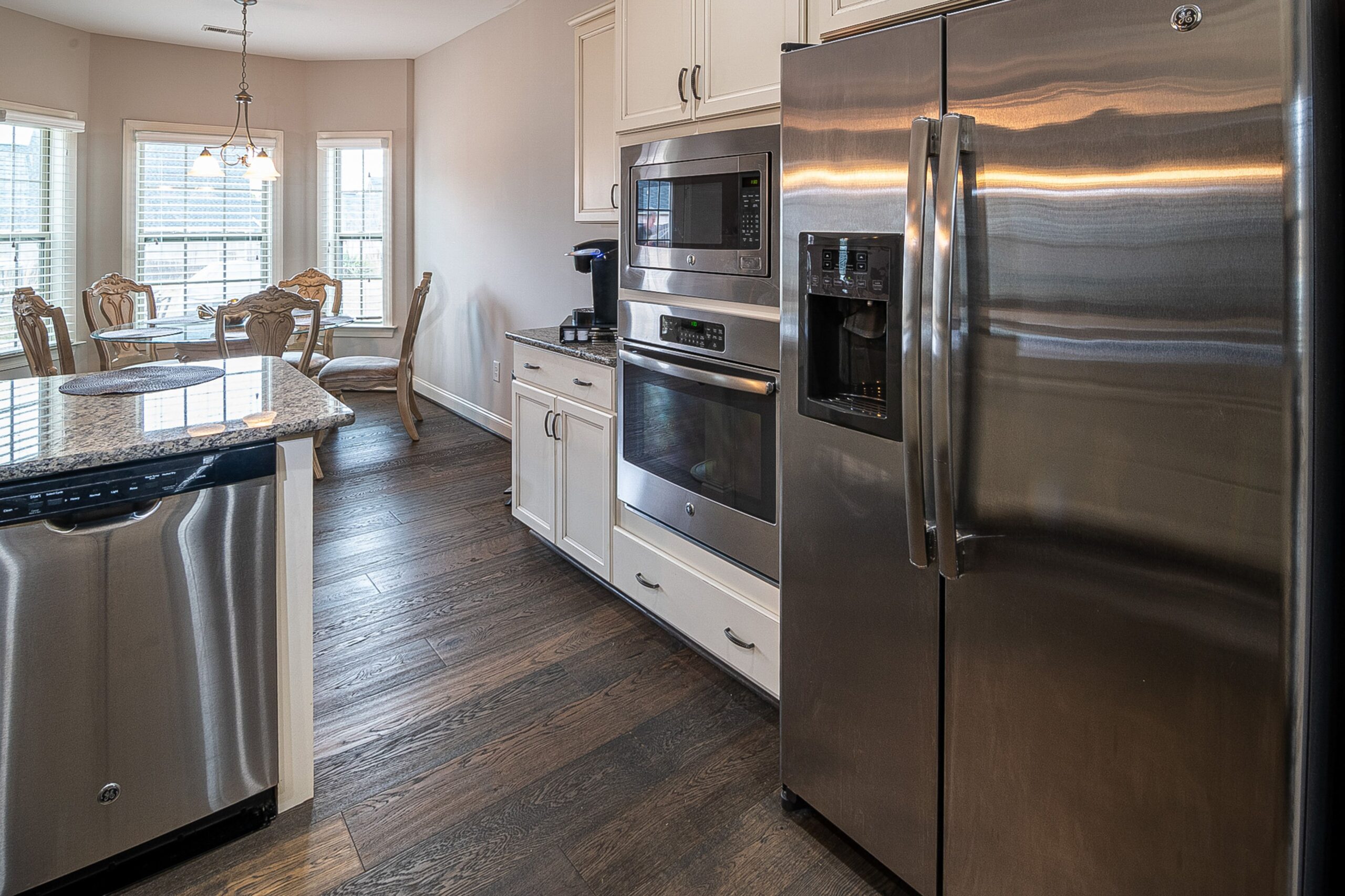
Appliances with minor cosmetic imperfections do not always need to become a complete loss for a retailer, distributor or homeowner. Scratch and dent products can still function properly even when their exterior has a small mark, dent or other visible imperfection. For businesses holding this type of inventory, finding effective ways to liquidate it can free up storage space, recover part of the original investment and make room for newer stock.
However, liquidation requires more than simply lowering the price and hoping someone buys the products. A thoughtful approach can help you determine the value of the inventory, reach appropriate buyers and move products efficiently.
Inspect Each Appliance Carefully
The first step is to understand exactly what you have. Inspect every appliance and document its condition before deciding how to liquidate it.
Look for scratches, dents, chipped finishes or other cosmetic imperfections. Check whether the appliance has been tested and whether it operates as expected. Separate products with purely cosmetic damage from those that have functional problems.
Creating a detailed inventory can make the rest of the liquidation process much easier. Record the appliance type, brand, model, condition and any included accessories or documentation.
Separate Cosmetic Damage From Functional Issues
Not every imperfect appliance should be handled in the same way. A refrigerator with a small dent on its side may have strong resale potential if everything works correctly. A washing machine with a mechanical problem requires a different approach.
Clearly categorizing products can help you set appropriate prices and communicate accurately with potential buyers.
Be transparent about the condition. Describing an appliance as having cosmetic damage when it also has an operational issue can lead to customer dissatisfaction and disputes.
Determine a Reasonable Value
Pricing is one of the most important parts of liquidation. The goal is to make the products attractive enough for buyers while recovering as much of your investment as reasonably possible.
Research the typical retail price of comparable new appliances. Then consider the extent of the cosmetic damage, age of the product and whether it has been tested.
A discount should reflect the actual condition rather than being applied randomly. Products with barely noticeable imperfections may command a different price from appliances with prominent dents or scratches.
Take Clear Photos
Good photographs can make a major difference when selling imperfect appliances. Buyers want to know exactly what they are getting, especially when purchasing products with visible damage.
Take photos from several angles and include close-ups of scratches, dents or other imperfections. Also photograph model numbers and important features when appropriate.
Clear images can help establish realistic expectations before a buyer makes an inquiry. This may reduce unnecessary questions and make the transaction more efficient.
Highlight What Still Works
Cosmetic imperfections do not necessarily affect an appliance’s functionality. If a product has been tested and works properly, make that information clear in the listing or sales materials.
Describe useful features and specifications while remaining honest about the condition. For example, an appliance may have a visible dent but still provide the same basic functionality as a new model.
Focusing on both the benefits and the imperfections gives buyers a more complete picture.
Target the Right Buyers
Not every customer is looking for a flawless appliance. Some shoppers actively seek discounted products because they prioritize price over appearance.
Consider marketing your inventory toward budget-conscious homeowners, landlords, property managers or buyers furnishing rental properties. Small businesses and renovation projects may also have practical reasons to consider discounted appliances.
The right audience may be more willing to accept cosmetic imperfections when the price provides meaningful savings.
Consider Bulk Sales
If you have a large amount of inventory, selling appliances individually may take considerable time and effort. Bulk sales can provide an alternative way to move products more efficiently.
Retailers, resellers and liquidation buyers may be interested in purchasing multiple appliances at once. While the price per item may be lower, moving a large quantity in one transaction can reduce storage costs and administrative work.
Compare the potential recovery from bulk sales with the time and expense involved in selling each item separately.
Use Multiple Sales Channels
Depending on the type and quantity of your inventory, you may have several options for liquidation. Online marketplaces can provide access to individual buyers, while local sales may make sense for larger appliances that are expensive to ship.
You can also consider working with liquidation companies, wholesalers or other businesses that specialize in discounted inventory.
Using more than one channel can increase your chances of reaching suitable buyers. However, keep your inventory records organized so the same appliance is not accidentally listed in multiple places after it has already been sold.
Make Pickup and Delivery Clear
Large appliances can be difficult and expensive to transport. Before finalizing a sale, determine whether the buyer is responsible for pickup or whether delivery is available.
If delivery is offered, factor transportation costs into the final price. Clearly communicate any delivery fees and service limitations before the transaction.
For local sales, providing accurate dimensions and weight information can also help buyers determine whether they have suitable transportation.
Reduce Storage Costs
Holding unsold inventory can become expensive. Appliances take up significant space, and storing them for long periods can prevent businesses from using their facilities for newer products.
Set a reasonable timeline for liquidation and adjust pricing or sales strategies if products are not moving. The longer inventory remains in storage, the more important it becomes to consider whether a faster sale is preferable to holding out for a higher price.
Keep Accurate Records
Documentation is particularly important when liquidating multiple appliances. Track purchase costs, sale prices, dates and buyer information where appropriate.
Good records can help you determine which sales channels are producing the best results. They can also make it easier to manage warranties, returns or other post-sale questions.
For businesses, accurate records can additionally help with inventory management and financial reporting.
Turn Imperfect Inventory Into an Opportunity
Liquidating scratch and dent appliances can be a practical way to recover value from products that may otherwise sit unused in storage. The process starts with understanding the condition of each appliance and continues through careful pricing, honest descriptions and targeted marketing.
Whether you choose individual sales, bulk transactions or specialized liquidation channels, the right approach depends on your inventory, resources and goals.
Rather than treating cosmetic imperfections as an automatic loss, consider how the products can meet the needs of buyers who value affordability. With organized inventory management and realistic expectations, imperfect appliances can still find useful homes while helping businesses recover space and part of their investment.
