



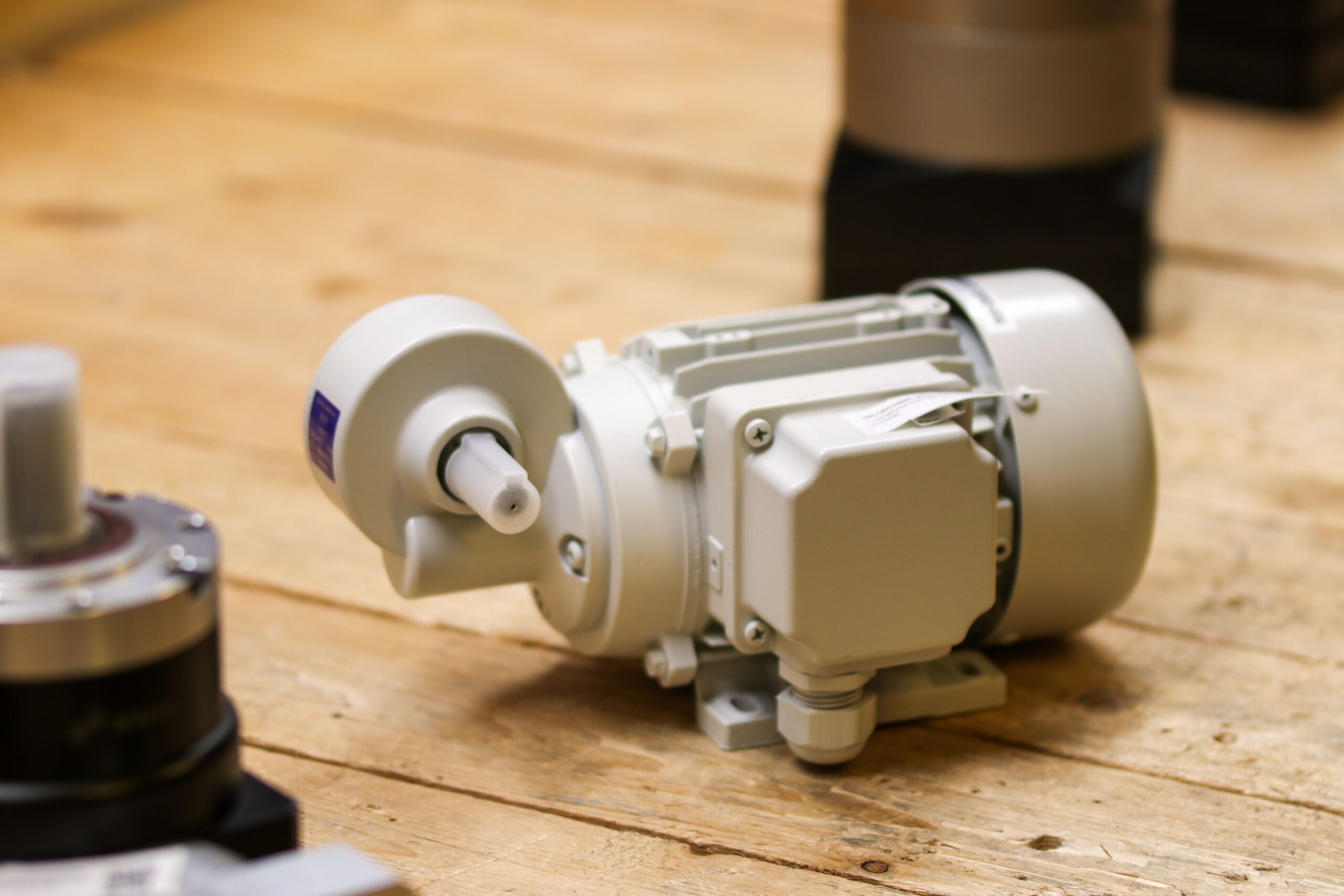
Choosing the right motor for an industrial facility requires more than comparing horsepower and price. Motors often operate in demanding environments where reliability, efficiency and durability can directly affect productivity. When equipment is expected to run for long periods, selecting a motor designed for the conditions it will face can help reduce unexpected interruptions and maintenance concerns.
IEEE 841 motors are designed with demanding industrial applications in mind, making them an option worth considering for facilities that require dependable motor performance. However, not every motor will be suitable for every application. Before making a purchase, it is important to evaluate the operating environment, electrical requirements and mechanical demands of the equipment.
Understand the Application
Start by determining what the motor will actually be powering. Different industrial equipment places different demands on a motor, and choosing based solely on general specifications may result in an unsuitable match.
Consider whether the motor will operate a pump, fan, compressor, conveyor or another type of machinery. Look at how frequently the equipment starts and stops, how long it typically runs and whether it experiences sudden changes in load.
Understanding these requirements can help narrow down the motor specifications that make sense for the application.
Check the Required Horsepower
Motor horsepower should match the requirements of the equipment. A motor that is undersized may struggle under normal operating conditions, while choosing a significantly oversized motor may result in unnecessary costs and inefficient operation.
Review the equipment manufacturer’s recommendations and consider the actual load the motor will experience. If the application has variable operating conditions, discuss those requirements with an experienced motor supplier or engineer.
The goal is to select a motor that can handle the intended workload without being unnecessarily oversized.
Consider the Operating Environment
Industrial environments can expose motors to dust, moisture, chemicals, heat and other conditions that may affect performance. Before selecting a motor, consider where it will be installed and what it will encounter during normal operation.
A motor used in a clean indoor facility may have different requirements from one installed near processing equipment or in an area exposed to moisture and contaminants.
Environmental conditions can influence the appropriate enclosure, insulation and protective features. Taking these factors into account can help prevent premature deterioration.
Evaluate Efficiency
Energy consumption is another important consideration, particularly for motors that operate for long periods. Even relatively small differences in efficiency can become significant when equipment runs continuously.
When comparing ieee 841 motors, review the efficiency rating and consider how the motor’s energy use fits into the facility’s overall operating costs.
It may also be useful to evaluate the motor’s expected operating schedule. A motor that runs for many hours each day may offer greater potential savings from improved efficiency than equipment that operates only occasionally.
Review Voltage and Electrical Requirements
A motor must be compatible with the electrical system where it will be installed. Check the required voltage, frequency, phase configuration and other electrical characteristics before making a purchase.
Using a motor that does not match the facility’s electrical supply can create operational problems and may require additional equipment or modifications.
It is also important to consider the motor’s starting requirements and whether it will be controlled through equipment such as a variable frequency drive. These details can affect which motor configuration is appropriate.
Look at Enclosure Design
The enclosure protects the motor’s internal components from its surrounding environment. Different applications may require different levels of protection.
Consider whether the motor will be exposed to dust, water, chemicals or other contaminants. The enclosure should be appropriate for the installation conditions and the level of protection required.
A properly selected enclosure can help support reliable operation and reduce the risk of environmental factors affecting internal components.
Consider Bearings and Lubrication
Bearings are critical to motor performance because they support rotating components and allow them to operate smoothly. Before choosing a motor, consider the bearing design and lubrication requirements.
Ask how often lubrication is recommended and whether the bearings are appropriate for the expected load and operating speed. Facilities that rely on continuous operation may benefit from a motor design that supports practical maintenance procedures.
Understanding these requirements in advance can also help maintenance teams plan inspections and servicing more effectively.
Think About Maintenance
A motor’s purchase price is only one part of its overall cost. Maintenance, downtime, replacement parts and energy consumption can all contribute to the total cost of ownership.
Consider how easy it will be to inspect and service the motor. Check whether replacement components are readily available and whether maintenance personnel are familiar with the motor design.
A product that is slightly more expensive initially may provide better long-term value if it reduces maintenance challenges and supports dependable operation.
Check Mounting and Physical Dimensions
Before ordering a motor, verify that its physical dimensions and mounting configuration are compatible with the existing equipment.
Important details may include shaft dimensions, mounting arrangement, frame size and overall space requirements. A motor that meets the electrical specifications but does not fit the equipment can create installation complications.
Confirm measurements carefully rather than relying on assumptions based on the appearance of the existing motor.
Consider Long-Term Reliability
Industrial motors are often expected to operate under demanding conditions for extended periods. Reliability should therefore be considered alongside price and efficiency.
Review the motor’s construction, expected operating conditions and available documentation. Manufacturer support can also be valuable if questions arise during installation or maintenance.
A dependable motor can help reduce unplanned downtime and support more consistent equipment performance.
Choose Based on the Entire Application
Selecting an industrial motor requires looking at the complete operating picture. Horsepower, electrical compatibility, efficiency, enclosure design, maintenance requirements and environmental conditions can all influence whether a particular motor is appropriate.
Rather than choosing based on one specification, compare how each option fits the equipment and facility where it will be installed. Consulting qualified professionals can also help confirm that the selected motor meets the application’s technical requirements.
By taking the time to evaluate these factors before purchasing, facility managers can make a more informed decision and select a motor that supports reliable performance, manageable maintenance and efficient long-term operation.
