



In a country as vast as Canada, the ability to respond to medical emergencies can often be hindered by geography, scheduling, and the availability of local training centers. Whether you are a healthcare professional in a bustling urban center or a remote caregiver in a rural province, the fundamental need for life-saving knowledge remains constant. Traditionally, obtaining certification required full-day, in-person attendance, which often served as a barrier for busy parents and working professionals alike. However, the shift toward digital education has revolutionized this landscape, making it easier than ever to enroll in a comprehensive online first aid course canada that adheres to nationally recognized guidelines. This evolution ensures that regardless of one’s schedule or location, the skills necessary to save a life are never more than a few clicks away.
The rise of online first aid training is not merely a matter of convenience; it is a response to the changing demands of the modern workforce. For those in the healthcare and education sectors, maintaining up-to-date certifications is a mandatory component of professional compliance. Historically, this meant coordinating group training sessions that could disrupt operations or require employees to use their personal time. Online modules allow for a more streamlined approach, where individuals can progress through curriculum at their own pace, pausing to review complex life-saving techniques as needed. This self-paced environment often leads to higher levels of confidence, as learners are not rushed through the material to meet the constraints of a physical classroom’s operating hours.
Furthermore, the diversity of the Canadian population necessitates a specialized approach to first aid. A one-size-fits-all curriculum is often insufficient for those working in niche fields. For example, childcare workers require specific knowledge regarding pediatric emergencies, while fitness and wellness professionals must be adept at handling cardiac events related to physical exertion. Contemporary online platforms cater to these specific needs by offering modular courses that focus on the most relevant risks for each professional category. By narrowing the focus to the specific scenarios an individual is likely to encounter, the training becomes more resonant and, ultimately, more effective when an actual emergency occurs.
While professional requirements often drive the demand for certification, the importance of general public preparedness cannot be overstated. Statistics consistently show that the majority of cardiac arrests and choking incidents occur in the home, where the “first responder” is not a paramedic, but a family member, neighbor, or friend. For parents and caregivers, the ability to act decisively in the first few minutes of a crisis is the most critical factor in determining a positive outcome. Online training lowers the threshold for entry, allowing stay-at-home parents and elderly caregivers to gain these skills without the logistical headache of finding childcare or commuting to a physical facility.
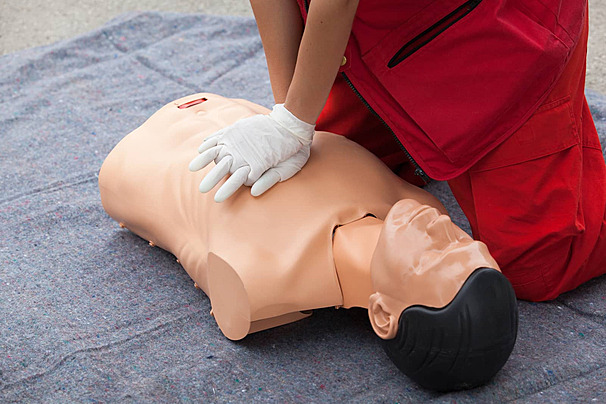
The educational quality of these programs has also seen a significant upgrade due to high-definition video demonstrations and interactive testing. Modern digital courses utilize visual storytelling and simulation to mimic real-life scenarios, ensuring that the learner is not just reading text but witnessing the correct application of bandages, the proper depth of chest compressions, and the swift management of an obstructed airway. This multi-sensory approach caters to different learning styles—visual, auditory, and kinesthetic—ensuring that the information is deeply ingrained and ready to be recalled under pressure.
Adopting a culture of safety across Canada requires a collective effort from both individuals and organizations. It is about moving beyond a “check-the-box” mentality and toward a genuine commitment to community well-being. When more citizens are equipped with the knowledge to provide basic life support and wound care, the strain on the provincial healthcare systems is reduced, and the overall survival rate for out-of-hospital emergencies increases. Accessibility is the key to this widespread adoption, and digital platforms provide the infrastructure necessary to reach every corner of the country.
Ultimately, the choice of a training provider is as important as the decision to get certified. It is essential to choose a platform that understands the specific regulatory environment of Canada and provides curriculum that is both medically sound and easy to navigate. By prioritizing high-quality, accessible education, Simple CPR continues to play a pivotal role in empowering Canadians to take charge of emergency situations with poise and professionalism. Whether for a professional license or the peace of mind of a new parent, the right training can turn a bystander into a lifesaver.
