



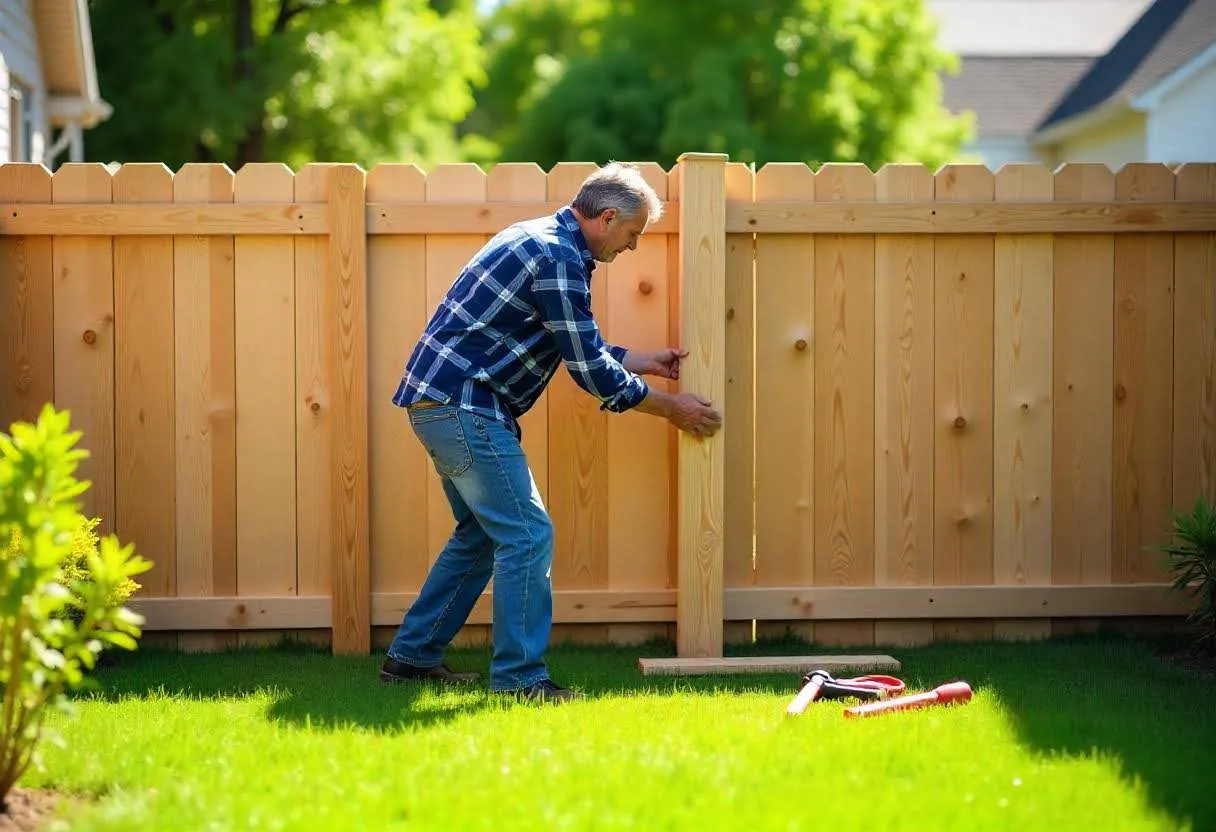
A well-built wood fence is one of the most popular additions homeowners make to their properties. Whether you’re looking to increase privacy, enhance security, keep pets safe, or improve curb appeal, a wood fence offers a timeless and versatile solution. With a variety of styles, materials, and customization options available, wood fencing continues to be a preferred choice for residential properties across the country.
However, installing a wood fence involves more than simply placing posts in the ground and attaching boards. Proper planning, material selection, installation techniques, and maintenance all play crucial roles in ensuring your investment lasts for years. This guide covers everything homeowners need to know about wood fence installation.
Why Homeowners Choose Wood Fences
Wood fences have remained a popular fencing option for decades because they combine functionality with natural beauty. Unlike many other fencing materials, wood can be customized to match nearly any architectural style or landscape design.
Some of the primary benefits of wood fencing include:
- Natural and attractive appearance
- Excellent privacy options
- Affordable initial investment
- Easy customization and staining
- Wide variety of styles and designs
- Ability to increase property value
Wood fences can be painted or stained in virtually any color, allowing homeowners to create a personalized look that complements their home’s exterior.
Determining Your Fence Goals
Before beginning a wood fence installation project, it’s important to understand your primary objectives.
Privacy
If privacy is your main concern, solid-panel designs such as board-on-board or stockade fences are excellent options. These fences block visibility from neighbors and passersby.
Security
For security purposes, taller fences with limited gaps between boards can help deter unwanted visitors and create a secure perimeter.
Pet Containment
Homeowners with dogs often choose wood fences because they prevent pets from seeing distractions outside the yard while providing a safe enclosed space.
Decorative Appeal
Picket fences and decorative wood fencing can enhance curb appeal while defining property boundaries.
Understanding your goals helps determine the best fence style, height, and materials for your project.
Popular Wood Fence Styles
Wood fencing comes in numerous styles, each offering different benefits.
Privacy Fence
Privacy fences typically range from six to eight feet tall and feature tightly spaced boards that block visibility. These fences are ideal for backyards and residential properties.
Picket Fence
Picket fences provide a classic appearance and are commonly used in front yards. They offer visual appeal while maintaining an open feel.
Shadowbox Fence
Shadowbox fences alternate boards on both sides of the rails, creating an attractive appearance from either side while allowing airflow.
Board-on-Board Fence
This style overlaps boards to eliminate gaps, providing maximum privacy and a premium appearance.
Split Rail Fence
Split rail fencing is commonly used for large properties, farms, and decorative boundary marking.
Choosing the Right Wood Material
The type of wood used significantly impacts the fence’s durability, appearance, and maintenance requirements.
Cedar
Cedar is one of the most popular wood fencing materials because it naturally resists insects, moisture, and decay.
Benefits include:
- Natural resistance to rot
- Attractive appearance
- Long lifespan
- Minimal warping
Pine
Pressure-treated pine is a budget-friendly option that offers excellent durability when properly maintained.
Benefits include:
- Lower upfront cost
- Widely available
- Treated for insect resistance
- Strong structural performance
Redwood
Redwood is considered a premium fencing material known for its beauty and natural durability.
Benefits include:
- Rich natural color
- Excellent resistance to decay
- Long-lasting performance
- High-end appearance
Understanding Local Regulations
Before installation begins, homeowners should research local zoning regulations and homeowner association requirements.
Common considerations include:
- Fence height restrictions
- Property setback requirements
- Permit requirements
- Material restrictions
- Shared boundary rules
Failing to comply with local regulations may result in fines or mandatory fence removal.
Property Line Verification
One of the most important steps in any fence installation project is accurately identifying property boundaries.
Installing a fence even a few inches onto a neighboring property can create legal disputes and costly corrections. A professional land survey can help confirm exact property lines before construction begins.
Planning the Fence Layout
A carefully planned layout ensures a smooth installation process.
During planning, homeowners should consider:
- Gate locations
- Utility lines
- Landscaping features
- Drainage patterns
- Existing structures
Calling local utility marking services before digging is essential to avoid damaging underground gas, water, electrical, or communication lines.
The Wood Fence Installation Process
Step 1: Marking the Layout
The installation process begins by marking fence lines and post locations using stakes and string lines.
Proper spacing between posts is critical for structural stability.
Step 2: Digging Post Holes
Fence post holes typically extend below the frost line in colder climates to prevent movement caused by freezing and thawing.
Most residential fence posts require holes approximately one-third of the post length.
Step 3: Setting Fence Posts
Posts are secured using concrete to provide long-term stability.
Proper alignment and leveling at this stage are crucial because any errors can affect the entire fence structure.
Step 4: Installing Rails
Horizontal rails are attached between posts to support fence boards.
The number of rails depends on fence height and local building requirements.
Step 5: Attaching Fence Boards
Fence boards are installed according to the selected fence style.
Careful spacing and alignment ensure a professional appearance.
Step 6: Gate Installation
Gates require additional reinforcement because they experience frequent movement and weight stress.
Proper installation prevents sagging and operational issues over time.
How Long Does Wood Fence Installation Take?
Installation timelines vary depending on project size and site conditions.
Most residential wood fence projects can be completed within:
- Small projects: 1–2 days
- Medium projects: 2–4 days
- Large projects: 4–7 days
Factors affecting timelines include weather, terrain, material availability, and property accessibility.
Wood Fence Maintenance Tips
Proper maintenance significantly extends fence lifespan.
Regular Cleaning
Remove dirt, mildew, and debris using a garden hose or pressure washer on a low setting.
Staining and Sealing
Applying stain or sealant every few years protects wood from moisture, UV damage, and rot.
Inspect for Damage
Regularly check for:
- Loose boards
- Rotting wood
- Insect damage
- Leaning posts
Prompt repairs help prevent larger issues.
Trim Nearby Vegetation
Overgrown plants can trap moisture against wood surfaces and accelerate deterioration.
Common Wood Fence Problems
Even well-maintained fences can experience issues over time.
Warping
Exposure to moisture and temperature changes can cause boards to bend or twist.
Rot
Wood that remains wet for extended periods may develop rot.
Insect Damage
Termites and other wood-boring insects can compromise structural integrity.
Leaning Posts
Poor installation or soil movement may cause fence posts to shift.
Professional installation and routine maintenance help minimize these problems.
Wood Fence Installation Costs
Several factors influence the total cost of a wood fence installation project.
These include:
- Fence height
- Fence length
- Wood species
- Terrain conditions
- Gate additions
- Custom design features
While wood fences often have lower upfront costs than some alternative materials, maintenance expenses should also be considered when evaluating long-term value.
DIY vs. Professional Installation
Many homeowners consider installing their own fence to save money. While DIY installation may reduce labor costs, it also comes with challenges.
Professional installation offers:
- Accurate property line placement
- Proper post setting techniques
- Faster completion
- Code compliance
- Manufacturer warranty protection
For larger or more complex projects, professional installation often delivers better long-term results.
Final Thoughts
Wood fence installation is one of the most effective ways to enhance privacy, security, and curb appeal while increasing the functionality of your outdoor space. With numerous styles, wood species, and customization options available, homeowners can create a fence that perfectly matches their needs and property aesthetics.
Success starts with proper planning, quality materials, professional installation, and ongoing maintenance. By understanding the installation process and making informed decisions, homeowners can enjoy a beautiful and durable wood fence for many years.
If you’re considering a new wood fence for your property, the experienced team at SuperFence Co can help guide you through every step of the process—from design selection and material recommendations to expert installation and long-term support.
